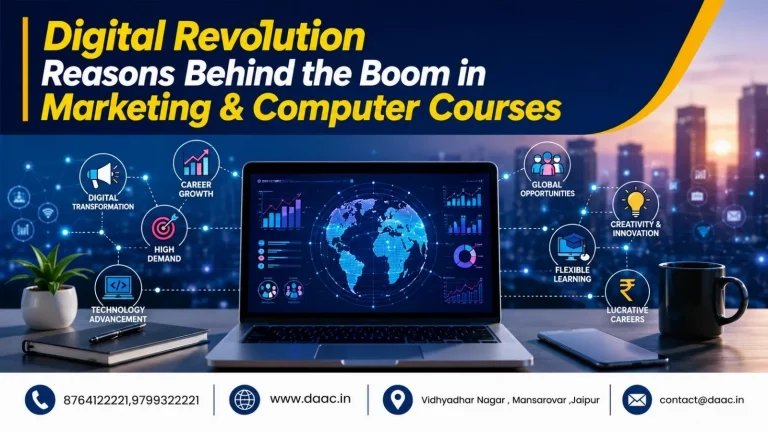

The Information Technology (IT) industry continues to be one of the fastest-growing sectors worldwide. From artificial intelligence and cloud computing to cybersecurity and software development, technology drives nearly every business operation today. As organizations invest heavily in digital transformation, the demand for skilled IT professionals continues to increase across industries.
Many students are attracted to IT because of its excellent salary potential, career stability, and opportunities to work with cutting-edge technologies. However, like any profession, working in IT comes with both advantages and challenges. Understanding these realities can help students make informed career decisions and prepare for long-term success.
In this article, we explore the major challenges and rewards of working in IT while highlighting why it remains one of the most promising career choices in 2026.
Why the IT Industry Continues to Grow
Technology has become an essential part of modern business operations. Organizations rely on software applications, cloud infrastructure, cybersecurity systems, data analytics, and AI-powered tools to improve efficiency and remain competitive.
Several factors are driving IT industry growth:
-
Increased adoption of artificial intelligence
-
Expansion of cloud computing services
-
Growing cybersecurity requirements
-
Rising demand for data analytics
-
Digital transformation across industries
-
Growth of remote and hybrid work environments
As a result, companies continue to hire professionals with technical expertise and problem-solving abilities.
Challenge #1: Constantly Evolving Technology
One of the biggest challenges of working in IT is keeping up with rapid technological changes. New programming languages, frameworks, tools, and platforms emerge regularly, making continuous learning essential.
For example, technologies such as Generative AI, machine learning, cloud platforms, and automation tools have significantly transformed the IT landscape over the past few years.
IT professionals must regularly:
-
Learn new technologies
-
Update certifications
-
Follow industry trends
-
Improve technical skills
-
Adapt to changing business needs
While this can be demanding, it also creates opportunities for career growth and specialization.
Challenge #2: High Performance Expectations
Technology systems support critical business functions. When websites, applications, or networks experience issues, organizations expect quick resolutions.
IT professionals often work under pressure to:
-
Meet project deadlines
-
Resolve technical problems
-
Ensure system availability
-
Deliver high-quality solutions
-
Maintain security standards
The responsibility can sometimes create stressful situations, particularly when dealing with urgent technical incidents or large-scale projects.
Strong time management and problem-solving skills are essential for managing these expectations successfully.
Challenge #3: Cybersecurity and Data Protection Responsibilities
As cyber threats continue to increase, protecting sensitive business and customer data has become a top priority.
Many IT professionals are responsible for:
-
Monitoring security systems
-
Preventing cyberattacks
-
Managing user access
-
Protecting confidential information
-
Ensuring regulatory compliance
A single security breach can impact thousands of users and cause significant financial losses. This makes cybersecurity one of the most critical and demanding areas within the IT industry.
However, this challenge has also created excellent career opportunities for cybersecurity specialists.
Challenge #4: Managing Client and User Expectations
IT professionals frequently interact with clients, customers, and internal teams. Technical issues can sometimes affect business operations, leading to frustration among users.
Professionals may need to:
-
Explain technical concepts clearly
-
Handle urgent requests
-
Resolve customer concerns
-
Provide technical support
-
Communicate project updates
Developing strong communication skills is just as important as technical expertise for long-term success in IT careers.
Challenge #5: Workload During Critical Projects
Certain IT roles require extra effort during software releases, system upgrades, or infrastructure migrations. Professionals may occasionally work beyond standard business hours to ensure successful project completion.
Examples include:
-
Website launches
-
Software deployments
-
Cloud migrations
-
Security incident responses
-
System maintenance activities
Although these situations are temporary, they require dedication and effective workload management.
Reward #1: Excellent Career Growth Opportunities
One of the biggest advantages of working in IT is the availability of diverse career paths.
Professionals can specialize in areas such as:
- Software Development
- Cybersecurity
- Data Analytics
- Artificial Intelligence
- Cloud Computing
- Mobile App Development
- Web Development
- DevOps Engineering
Students who begin with foundational technical skills often expand into advanced specializations as their careers progress.
Many aspiring developers start by enrolling in a Web Development Course in Jaipur to build strong programming and website development skills before moving into advanced technologies.
The variety of career options makes IT attractive for individuals with different interests and strengths.
Reward #2: High Salary Potential
The IT industry offers some of the highest-paying career opportunities globally. As demand for skilled professionals increases, organizations continue offering competitive compensation packages.
Factors influencing IT salaries include:
- Technical expertise
- Experience level
- Industry specialization
- Certifications
- Location
- Project complexity
Emerging fields such as AI, cybersecurity, and cloud computing often offer particularly attractive salary packages due to skill shortages.
Professionals who continuously upgrade their skills generally experience faster salary growth compared to many traditional career paths.
Reward #3: Opportunity to Work with Emerging Technologies
Technology enthusiasts often find IT careers highly rewarding because they get to work with innovative solutions that shape the future.
Popular technologies in 2026 include:
- Artificial Intelligence
- Generative AI
- Machine Learning
- Blockchain
- Internet of Things (IoT)
- Cloud Platforms
- Automation Tools
Many students interested in next-generation technologies also explore a Generative AI Course in Jaipur to understand how AI is transforming industries and creating new job opportunities.
Working with emerging technologies allows professionals to remain at the forefront of innovation.
Reward #4: Flexible Work Environment
Remote and hybrid work models have become increasingly common in the IT industry.
Many organizations now offer:
- Work-from-home opportunities
- Flexible schedules
- Remote collaboration tools
- Freelance project options
- Global employment opportunities
This flexibility helps professionals achieve a better work-life balance while expanding access to international job markets.
Freelancing platforms have also created opportunities for skilled IT professionals to work independently with clients worldwide.
Reward #5: Global Career Opportunities
Technology skills are universally valuable. Professionals with strong technical expertise can pursue career opportunities in multiple countries and industries.
IT professionals are employed across:
- Healthcare
- Finance
- Education
- Manufacturing
- Retail
- Government
- Technology Companies
Because technology drives nearly every industry, skilled professionals often enjoy greater job mobility and long-term career security.
Skills Needed for Success in IT
To build a successful IT career, students should focus on developing both technical and soft skills.
Technical Skills
- Programming
- Database Management
- Networking
- Cybersecurity
- Cloud Computing
- Data Analysis
Soft Skills
- Communication
- Problem Solving
- Teamwork
- Adaptability
- Critical Thinking
- Time Management
Employers increasingly seek candidates who can combine technical expertise with effective collaboration and communication abilities.
Conclusion
Working in IT offers both challenges and rewards. The fast-paced nature of technology requires continuous learning, adaptability, and problem-solving skills. Professionals must manage evolving technologies, cybersecurity concerns, project deadlines, and user expectations.
At the same time, the rewards are substantial. High salary potential, global opportunities, flexible work arrangements, career growth, and access to cutting-edge technologies make IT one of the most attractive career fields in 2026.
For students passionate about technology and innovation, investing in IT skills today can open the door to a rewarding and future-ready career.
FAQs
1. Is IT a good career choice in 2026?
Yes. The demand for IT professionals continues to grow due to advancements in AI, cloud computing, cybersecurity, and digital transformation.
2. What is the biggest challenge in the IT industry?
Keeping up with rapidly changing technologies is one of the biggest challenges for IT professionals.
3. Do IT jobs offer good salaries?
Yes. Many IT roles offer competitive salaries, especially in specialized areas such as AI, cybersecurity, cloud computing, and software development.
4. Can IT professionals work remotely?
Yes. Many organizations provide remote or hybrid work options for IT employees.
5. Which IT skills are most in demand today?
Artificial Intelligence, cloud computing, cybersecurity, data analytics, web development, and software engineering are among the most sought-after skills in 2026.