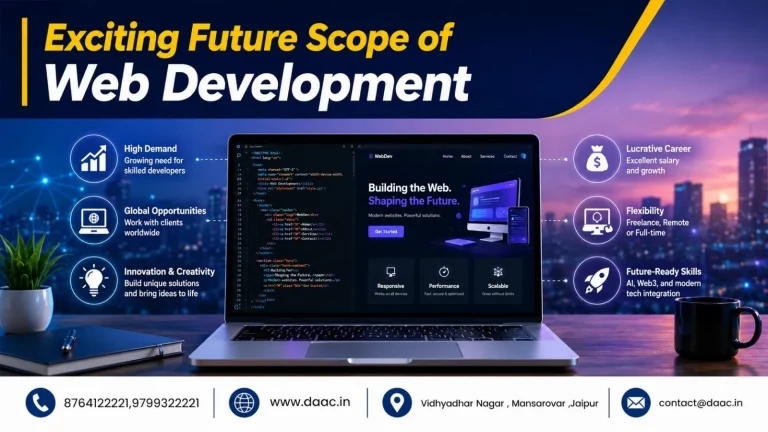

Web development remains one of the most in-demand and rewarding career paths in the technology industry. As businesses continue to expand their digital presence, skilled web developers are needed to create fast, secure, and user-friendly websites and web applications.
Whether you’re a student, career changer, or aspiring tech professional, web development offers excellent opportunities for growth, remote work, freelancing, and high-paying jobs. This guide explains the essential skills, career paths, and practical steps required to become a successful web developer in 2026.
Why Choose Web Development as a Career?
The demand for web developers continues to grow as organizations invest in websites, e-commerce platforms, SaaS products, and digital services.
Benefits of a Web Development Career
- High demand across industries
- Competitive salary packages
- Remote and freelance opportunities
- Continuous learning and innovation
- Flexible career growth paths
- Opportunities to work with global clients
With the rise of AI-powered applications, cloud technologies, and modern web frameworks, web development remains a future-proof profession.
Step 1: Learn the Fundamentals of Web Development
Every successful web developer starts with the core technologies that power the web.
HTML
HTML (HyperText Markup Language) creates the structure of web pages.
CSS
CSS controls the visual appearance of websites, including layouts, colors, animations, and responsiveness.
JavaScript
JavaScript adds interactivity and dynamic functionality to websites, making user experiences more engaging.
A strong understanding of these three technologies forms the foundation of your web development career.
Step 2: Choose a Web Development Path
Web development offers multiple specialization options.
Front-End Developer
Front-end developers focus on the visual and interactive elements users see and interact with.
Key Technologies:
- HTML
- CSS
- JavaScript
- React
- Vue.js
- Angular
Back-End Developer
Back-end developers handle databases, servers, APIs, and application logic.
Popular Technologies:
Full-Stack Developer
Full-stack developers work on both front-end and back-end development, making them highly valuable to employers.
Step 3: Learn Modern Development Tools
Professional developers use various tools to improve productivity and collaboration.
Essential Tools
- Visual Studio Code
- Git & GitHub
- Chrome DevTools
- Postman
- Docker
- Figma
Understanding these tools helps developers work efficiently in real-world environments.
Step 4: Build Real-World Projects
Practical experience is one of the most important factors recruiters evaluate.
Begin with projects such as:
- Personal Portfolio Website
- Blog Platform
- To-Do Application
- E-commerce Website
- Weather App
- Business Landing Page
Each project helps strengthen your coding skills and demonstrates your ability to solve real-world problems.
Step 5: Create a Professional Portfolio
Your portfolio acts as your digital resume.
Include:
- Project descriptions
- Live website links
- GitHub repositories
- Technologies used
- Case studies
- Client or internship work
A strong portfolio often carries more weight than certifications alone.
Step 6: Learn Version Control with Git
Version control is a critical skill for modern developers.
Benefits include:
- Tracking code changes
- Collaborating with teams
- Managing project versions
- Contributing to open-source projects
GitHub is widely used by companies to assess a developer’s coding experience and project contributions.
Step 7: Understand Responsive and Mobile-First Design
Most web traffic now comes from mobile devices.
Successful developers build websites that:
- Adapt to all screen sizes
- Load quickly
- Provide excellent user experiences
- Meet accessibility standards
Responsive design is no longer optional—it’s a requirement.
Step 8: Stay Updated with Industry Trends
Technology evolves rapidly, and successful developers continuously learn.
Current trends include:
- Artificial Intelligence Integration
- Progressive Web Apps (PWAs)
- Serverless Architecture
- Cloud Computing
- Web Performance Optimization
- Cybersecurity Best Practices
Keeping your skills updated increases your employability and career growth opportunities.
Step 9: Gain Practical Experience
Employers value practical experience as much as technical knowledge.
You can gain experience through:
- Internships
- Freelance Projects
- Open-Source Contributions
- Startup Collaborations
- Personal Projects
Even small projects can help demonstrate your problem-solving abilities and technical expertise.
Step 10: Network with Other Developers
Networking can open doors to job opportunities, mentorship, and collaborations.
Ways to connect with professionals include:
- GitHub
- Developer Communities
- Tech Meetups
- Conferences and Webinars
Building relationships within the tech community can significantly accelerate your career growth.
Essential Skills for Successful Web Developers
Beyond coding, employers look for well-rounded professionals.
Technical Skills
- HTML, CSS, JavaScript
- Frameworks and Libraries
- Database Management
- API Integration
- Responsive Design
- Version Control
Soft Skills
- Problem Solving
- Communication
- Teamwork
- Creativity
- Time Management
- Adaptability
The combination of technical and soft skills makes developers highly valuable in the workplace.
Career Opportunities in Web Development
Web development offers diverse career paths.
Popular roles include:
- Front-End Developer
- Back-End Developer
- Full-Stack Developer
- WordPress Developer
- React Developer
- UI Developer
- Web Application Developer
- Technical Consultant
Many developers also choose freelancing or entrepreneurship as their long-term career goals.
Web Developer Salary in India
Web development offers strong earning potential across experience levels.
| Experience Level | Average Salary |
|---|---|
| Fresher | ₹3–6 LPA |
| 1–3 Years | ₹6–12 LPA |
| 3–5 Years | ₹12–20 LPA |
| 5+ Years | ₹20 LPA+ |
Developers skilled in modern frameworks and full-stack technologies often command higher salaries.
Conclusion
Web development continues to be one of the most promising technology careers in 2026. By mastering core programming languages, building practical projects, creating a strong portfolio, and continuously learning new technologies, you can build a successful and future-ready career.
Success in web development is not determined by degrees alone. Consistent practice, real-world experience, and a passion for problem-solving are the factors that truly set successful developers apart.
Frequently Asked Questions
Is web development a good career in 2026?
Yes. Businesses across industries require websites and web applications, creating strong demand for skilled web developers.
How long does it take to become a web developer?
Most beginners can learn the fundamentals within 4–6 months and become job-ready within 8–12 months through consistent practice.
Do I need a degree to become a web developer?
No. Many successful developers are self-taught or have completed professional training programs and built strong portfolios.
Which web development field pays the most?
Full-stack development, cloud-based development, and specialized JavaScript frameworks often offer some of the highest salary opportunities.