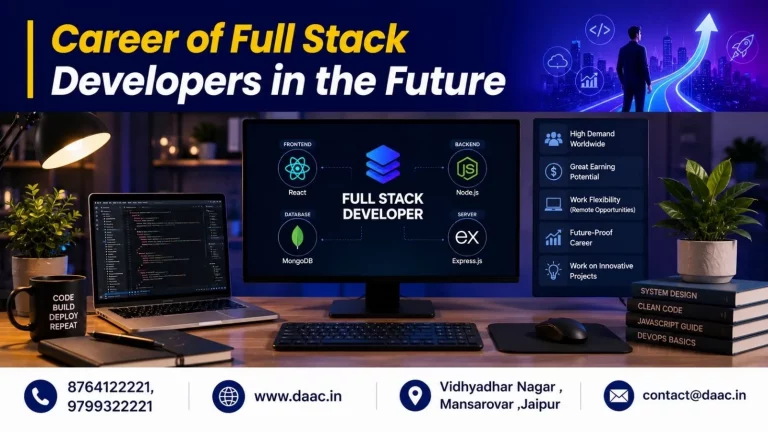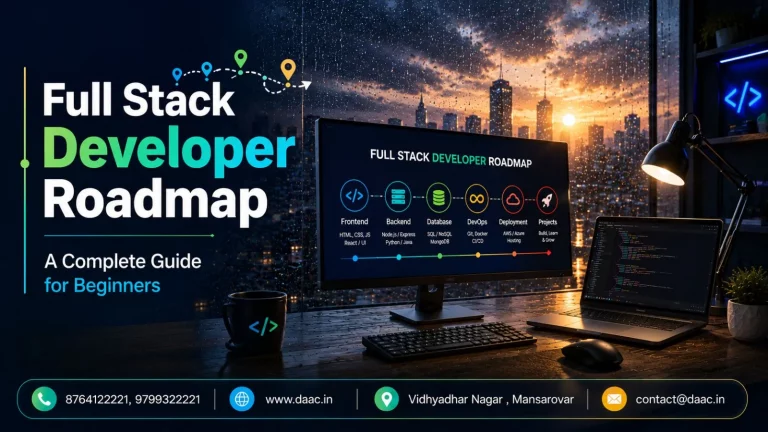

Full stack development is one of the most dynamic and in-demand career paths in the IT industry today. A full stack developer is responsible for handling both frontend and backend development of web applications. While this role offers exciting opportunities and strong career growth, it also comes with several challenges. Understanding both sides helps learners prepare better for a successful career in this field.
Understanding Full Stack Development Role
A full stack developer works on both the visible part of a website (frontend) and the behind-the-scenes logic (backend). The frontend includes user interface design, while the backend handles data storage, processing, and server management. Because of this dual responsibility, companies highly value professionals who complete a Full Stack Developer Course and gain practical project experience.
The demand for full stack developers is continuously increasing as businesses shift towards web-based applications and digital platforms. However, the role requires consistent learning and adaptability to stay relevant in the fast-changing technology landscape.
Major Challenges of Full Stack Developers
Working as a full stack developer is rewarding, but it also comes with several challenges that require strong technical and mental preparation.
1. Need for Strong Frontend and Backend Skills
A full stack developer must be equally strong in both frontend and backend technologies. This requires deep understanding of HTML, CSS, JavaScript, databases, APIs, and server-side frameworks. Learning all these skills takes significant time and continuous practice, especially for beginners starting their Full Stack Development Career.
2. Constantly Changing Technologies
Technology evolves rapidly in the IT industry. New frameworks, libraries, and tools are introduced frequently. Developers must continuously update their knowledge to stay competitive. This constant learning pressure can be challenging, especially for those who struggle with adapting to new technologies.
3. Heavy Workload and Responsibilities
Full stack developers often handle multiple tasks such as UI development, backend integration, debugging, and deployment. Managing all these responsibilities simultaneously can lead to workload pressure. Companies expect developers to deliver high-quality results within tight deadlines.
4. Time Management Challenges
Managing multiple layers of development requires excellent time management skills. Developers must prioritize tasks effectively to meet project deadlines. Poor time management can lead to project delays and reduced productivity.
5. Stress and Pressure Handling
Due to deadlines, technical issues, and complex projects, full stack developers often face stress. The ability to stay calm under pressure is essential for maintaining productivity and delivering efficient solutions.
6. Continuous Learning Requirement
The IT industry never remains static. Developers must keep learning new tools, frameworks, and programming languages. This continuous learning process can be demanding but is necessary for long-term career success in the field of Web Development Skills.
7. Collaboration and Team Coordination
Full stack developers work closely with designers, backend developers, testers, and project managers. Effective communication and teamwork are necessary to ensure smooth project execution. Lack of coordination can affect project quality and deadlines.
Rewards of Being a Full Stack Developer
Despite the challenges, full stack development offers several attractive benefits that make it a highly rewarding career choice.
1. Versatile Skill Development
One of the biggest advantages of a Full Stack Developer Course is the ability to learn both frontend and backend technologies. This makes developers highly versatile and increases job opportunities across different domains.
2. Opportunity to Work on Diverse Projects
Full stack developers get the chance to work on different types of projects such as websites, mobile apps, and enterprise systems. This variety helps improve creativity and problem-solving abilities.
3. High Salary and Career Growth
Due to high demand in the industry, full stack developers often receive attractive salary packages. Companies are actively hiring skilled professionals, leading to strong career growth opportunities in the field of Software Developer Challenges and IT roles.
4. Flexibility and Independence
Many full stack developers enjoy flexible working environments, including remote work opportunities. This flexibility allows better work-life balance and greater job satisfaction.
5. Exposure to Modern Technologies
Full stack developers frequently work with modern technologies such as cloud computing, APIs, microservices, and modern frameworks. This exposure helps them stay updated with industry trends.
6. Global Career Opportunities
Full stack development is a globally recognized skill. Developers can work with international companies, freelance clients, or remote teams across the world.
7. Strong Career Stability
As businesses continue shifting online, the demand for full stack developers is expected to grow further. This ensures long-term career stability and continuous job opportunities in the IT sector.
8. Problem-Solving and Creativity Growth
Working on real-world applications helps developers improve logical thinking and creativity. Every project brings new challenges that enhance problem-solving skills.
9. Entrepreneurial Opportunities
Full stack developers can also build their own products, startups, or freelance businesses. Their ability to manage complete applications gives them an advantage in entrepreneurship.
10. Contribution to Digital Innovation
Developers play a key role in building modern digital solutions. From e-commerce platforms to SaaS applications, they contribute to technological advancements that improve everyday life.
How to Succeed in Full Stack Development
To overcome challenges and maximize rewards, developers should focus on continuous learning, hands-on practice, and real project experience. Enrolling in a structured Full Stack Developer Course can help build a strong foundation and improve industry readiness.
Developing strong problem-solving abilities, improving communication skills, and staying updated with new technologies are key factors for long-term success in this field.
Conclusion
Full stack development is a challenging yet highly rewarding career path. While it demands continuous learning, technical expertise, and strong time management, it also offers excellent salary packages, career growth, and global opportunities. With the right training and dedication, anyone can build a successful career in this field and achieve long-term professional success.
FAQs
1. Is full stack development a good career choice?
Yes, it is one of the most in-demand careers with strong growth, high salary, and global opportunities.
2. What are the main challenges of a full stack developer?
Key challenges include managing both frontend and backend, continuous learning, workload pressure, and time management.
3. How long does it take to become a full stack developer?
It usually takes 6–12 months of consistent learning and practice through a structured training program.
4. Do full stack developers earn good salaries?
Yes, skilled full stack developers receive competitive salaries due to high demand in the IT industry.
5. Can beginners learn full stack development?
Yes, beginners can start with a proper Full Stack Developer Course and gradually build skills through practice and projects.