
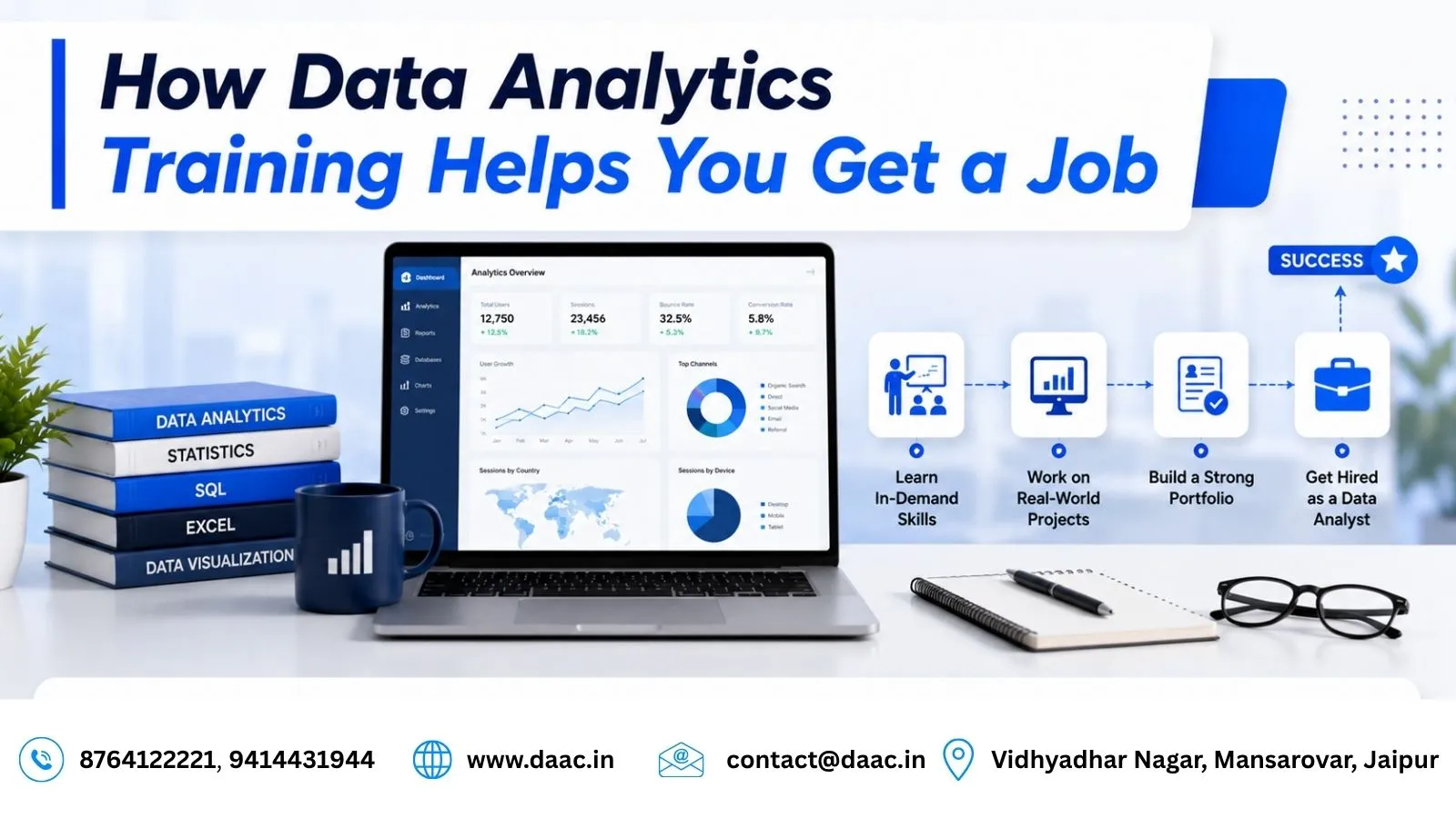
In today’s technology-driven economy, data has become one of the most valuable assets for businesses. Organizations across industries rely on data to make informed decisions, improve customer experiences, and increase profitability. This growing dependence on data has created a huge demand for skilled professionals who can analyze information and generate meaningful insights. As a result, students and working professionals are increasingly choosing Data Analytics Training to build rewarding careers in this rapidly expanding field.
The demand for analytics professionals continues to grow because companies require experts who can convert raw information into actionable strategies. However, getting hired requires more than theoretical knowledge. Employers seek candidates who understand industry tools, practical applications, and real-world business challenges. Professional training programs help bridge this gap by providing structured learning, hands-on projects, and career guidance that prepare students for modern workplace requirements.
Why Data Analytics Has Become a High-Demand Career
The digital transformation of businesses has significantly increased the amount of data generated every day. From e-commerce transactions and social media interactions to healthcare records and financial reports, companies collect enormous volumes of information. This data becomes valuable only when analyzed correctly, creating strong demand for analytics professionals.
Industries such as banking, healthcare, retail, manufacturing, education, and technology actively recruit analytics experts. The increasing adoption of artificial intelligence and automation has further strengthened the importance of analytics professionals. Building a successful Data Analytics Career today offers long-term growth opportunities, attractive salaries, and the flexibility to work across multiple industries.
Learn Industry-Relevant Skills Through Professional Training
One of the biggest advantages of joining a professional analytics program is gaining practical and industry-relevant skills. Training institutes focus on tools and technologies currently used by organizations worldwide. Students learn how to collect, clean, analyze, and visualize data using modern software and platforms.
A quality Data Analytics Training program generally includes:
- SQL for database management
- Python for data analysis
- Microsoft Excel for reporting
- Power BI for dashboards
- Tableau for visualization
- Data cleaning techniques
- Business reporting methods
These skills help students understand how analytics is applied in real business environments. Employers often prioritize candidates who have practical experience with these tools because they can contribute immediately after joining an organization.
Hands-On Projects Improve Employability
Employers prefer candidates who can demonstrate practical knowledge rather than just theoretical understanding. This is where project-based learning becomes valuable. Training institutes provide opportunities to work on real-world datasets and business scenarios that simulate actual workplace challenges.
Students learn how to analyze customer behavior, sales trends, marketing performance, and operational efficiency using analytics tools. These projects become important additions to professional portfolios and help candidates stand out during recruitment processes. Real-world experience gained through projects significantly improves confidence and job readiness.
For students interested in expanding their technical expertise, learning alongside a Data Analytics Course in Jaipur can provide valuable exposure to industry practices and advanced technologies currently used in business environments.
Build a Strong Portfolio That Attracts Employers
A professional portfolio is one of the most important assets for aspiring analytics professionals. It demonstrates technical abilities, problem-solving skills, and project experience to recruiters. Many hiring managers review portfolios before conducting interviews because they provide evidence of practical competence.
An effective portfolio should include:
- Data visualization projects
- Dashboard development samples
- SQL query examples
- Business case studies
- Predictive analysis reports
- Problem-solving projects
A well-structured portfolio showcases your ability to work with data and communicate findings effectively. It also helps employers understand how you approach business challenges and derive insights from information.
Internship Opportunities Provide Real Industry Exposure
Internships play a critical role in helping students transition from learning environments to professional workplaces. During internships, learners gain exposure to business operations, reporting systems, and organizational workflows. This experience helps students understand how analytics contributes to decision-making processes.
Many institutes offering Data Analytics Training also assist students in finding internship opportunities. Internships provide practical exposure while allowing learners to apply classroom knowledge in professional settings. Employers often value internship experience because it demonstrates adaptability, teamwork, and workplace readiness.
Working on live projects during internships also improves communication and analytical thinking skills. These experiences strengthen resumes and increase the chances of securing full-time employment after course completion.
Better Interview Preparation Leads to More Job Offers
Technical skills alone are not enough to secure employment. Candidates must also perform well during interviews. Professional training programs often include interview preparation sessions that help students build confidence and improve communication abilities.
Interview preparation generally covers:
- Technical questions
- SQL problem-solving
- Python concepts
- Data visualization scenarios
- Business case discussions
- HR interview guidance
Preparation helps candidates explain their projects clearly and demonstrate analytical thinking during interviews. Strong interview performance increases the likelihood of receiving offers for entry-level Data Analyst Jobs and other analytics-related positions.
Freelancing Opportunities in Data Analytics
Analytics is not limited to traditional full-time employment. Many professionals choose freelancing as an alternative career path. Freelance analysts assist businesses with reporting, dashboard creation, data cleaning, and performance analysis on a project basis.
Freelancing offers flexibility and opportunities to work with clients across different industries. Beginners often start with small projects and gradually expand their expertise through continuous learning and practical experience. Developing strong technical skills through structured training helps individuals establish credibility and attract freelance clients.
The growth of remote work has created additional opportunities for analytics professionals to work independently while serving businesses globally.
Career Growth Opportunities in Analytics
Analytics offers diverse career pathways that extend far beyond entry-level roles. As professionals gain experience, they can progress into specialized positions that involve strategic decision-making and advanced data analysis.
Common career options include:
- Data Analyst
- Business Analyst
- Reporting Analyst
- Data Visualization Specialist
- Business Intelligence Analyst
- Analytics Consultant
- Data Scientist
The demand for professionals with Business Intelligence expertise continues to grow as organizations seek better methods to analyze and interpret business performance. Continuous skill development allows analytics professionals to advance into leadership positions and specialized technical roles.
How DAAC Helps Students Build Successful Careers
DAAC focuses on practical learning and industry-oriented training designed specifically for students seeking career opportunities in analytics. The institute provides structured programs that combine technical skills, project work, and professional development.
Students receive training on industry-standard tools and technologies while working on real-world assignments. This practical approach helps learners understand how analytics supports business decision-making and operational efficiency. Career guidance, internship support, and portfolio development further enhance employability.
Students interested in strengthening complementary digital skills can also explore the Digital Marketing Course in Jaipur to understand how analytics supports modern marketing strategies and customer behavior analysis.
Roadmap to Start a Successful Analytics Career
Building a successful analytics career requires a structured approach. Students should focus on acquiring technical knowledge, practical experience, and professional exposure.
Step 1: Learn Core Analytics Skills
Start by mastering SQL, Excel, Python, Power BI, and Tableau through professional training programs.
Step 2: Complete Real Projects
Work on business-focused projects that demonstrate analytical thinking and technical capabilities.
Step 3: Build a Professional Portfolio
Document projects, dashboards, and case studies that showcase your expertise and problem-solving skills.
Step 4: Gain Internship Experience
Apply your knowledge in real business environments through internships and practical assignments.
Step 5: Prepare for Interviews
Practice technical and behavioral interview questions to improve confidence and communication skills.
Step 6: Continue Learning
Technology evolves continuously, making ongoing skill development essential for long-term success.
Conclusion
Professional Data Analytics Training plays a crucial role in helping students build successful careers in today’s data-driven economy. By developing technical expertise, completing real-world projects, gaining internship experience, and preparing for interviews, students become better equipped to meet industry expectations and secure rewarding opportunities.
The demand for analytics professionals continues to rise as organizations increasingly rely on data-driven decision-making. Whether your goal is securing entry-level employment, pursuing freelancing opportunities, or building a long-term Data Analytics Career, investing in quality training can provide the knowledge, confidence, and practical skills needed for success in this dynamic field.
FAQs
1. How does data analytics training help freshers get jobs?
Professional training develops technical skills, project experience, and interview readiness, making freshers more attractive to employers.
2. Which tools are important for a data analytics career?
Popular tools include SQL, Python, Excel, Power BI, Tableau, and various data visualization platforms used by businesses worldwide.
3. Can I get a job after completing a data analytics course?
Yes. Many students secure entry-level analytics positions after completing professional training, building portfolios, and gaining practical experience.
4. Is data analytics a good career in 2026?
Yes. Data analytics remains one of the fastest-growing career fields due to increasing business reliance on data-driven decision-making.
5. Can I work as a freelancer after learning data analytics?
Yes. Freelancing opportunities are available in reporting, dashboard creation, data visualization, and business analysis for clients across multiple industries.