The mobile application industry is growing faster than ever. From banking and healthcare to e-commerce and education, businesses rely heavily on mobile apps to connect with customers and improve services. As technology continues to evolve, companies are looking for developers who can create secure, responsive, and user-friendly applications.
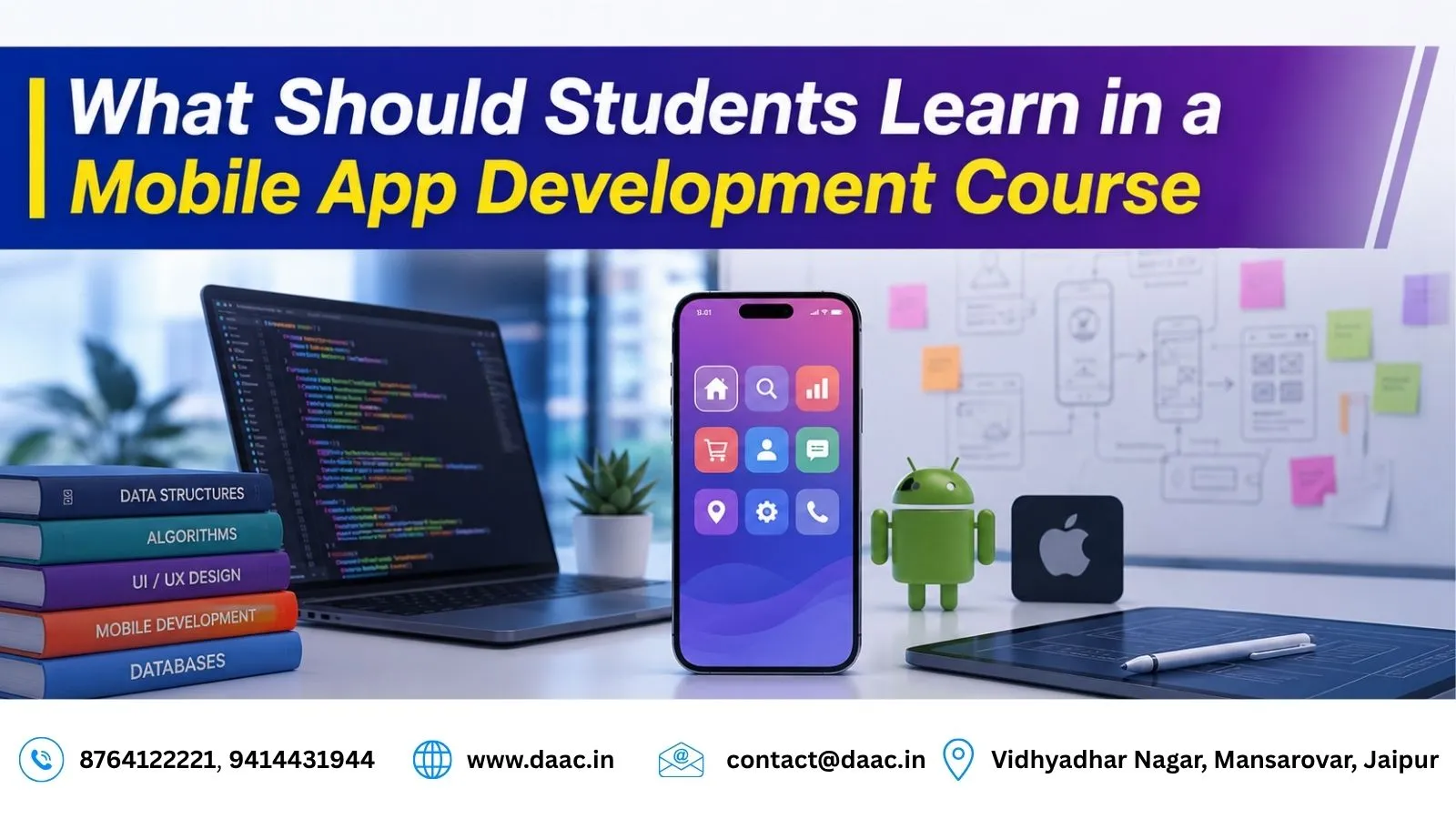
For students planning a career in technology, enrolling in a Mobile App Development Course is one of the most practical ways to enter this high-demand field. However, learning app development in 2026 is not just about writing code. Students must understand design principles, development frameworks, cloud integration, testing, deployment, and real-world project development to become industry-ready professionals.
Why Mobile App Development Remains a High-Demand Career
The increasing use of smartphones has transformed how businesses operate. Organizations now invest heavily in mobile applications to improve customer engagement and automate business processes.
Industries actively hiring mobile developers include:
- Healthcare
- Fintech
- Education
- Logistics
- Retail
- Travel and Hospitality
According to industry hiring trends, businesses prefer candidates who can handle the complete app development lifecycle rather than focusing only on coding. This is why modern training programs emphasize practical skills alongside technical knowledge.
Understanding the Scope of Mobile Application Development
Before building applications, students should understand how mobile products are planned and developed. A quality mobile application development course introduces learners to the entire development process, from idea validation to app deployment.
Key areas include:
- Requirement analysis
- UI/UX planning
- Development workflows
- Quality testing
- Deployment strategies
- Application maintenance
Understanding these stages helps students work effectively in professional software development teams.
Types of Mobile Applications Students Should Know
Different business requirements lead to different application types. Every aspiring developer should understand when and why specific approaches are used.
Common categories include:
Native Applications
Built specifically for Android or iOS platforms, offering excellent performance and device integration.
Cross-Platform Applications
Developed using a shared codebase to support multiple operating systems while reducing development costs.
Progressive Web Applications
Web-based applications that deliver an app-like experience directly through browsers.
Enterprise Applications
Business-focused applications designed to improve internal operations and workflow management.
Learning these categories helps students select the right development approach based on project requirements.
Android Development vs Cross-Platform Development
One of the most important topics covered in modern courses is the comparison between native Android development and cross-platform development.
Android development provides:
- Better device integration
- High performance
- Advanced customization
Cross-platform development offers:
- Faster development
- Reduced costs
- Shared codebase
- Easier maintenance
Many startups choose Flutter and React Native because they can launch applications on Android and iOS simultaneously. Larger enterprises sometimes prefer native solutions when performance and customization are top priorities.
Understanding these differences is a critical part of the mobile app development roadmap followed by industry professionals.
Programming Skills Every Mobile Developer Needs
Programming remains the foundation of application development. Students should learn core concepts that help them build scalable and maintainable applications.
Important topics include:
- Object-oriented programming
- Data structures
- Algorithms
- Error handling
- Application architecture
- State management
Modern employers often evaluate logical thinking and problem-solving abilities rather than simply testing knowledge of programming languages.
A strong coding foundation helps students adapt to new technologies throughout their careers.
Mobile UI Design and User Experience Fundamentals
An application can have powerful features, but users will not engage with it if the design is confusing. User experience has become a major success factor for mobile products.
Students should learn:
- User interface principles
- Navigation design
- Responsive layouts
- Accessibility standards
- Design consistency
Popular applications such as Uber, Swiggy, and Spotify invest heavily in user experience because smoother interactions improve customer retention and satisfaction.
Students interested in developing complete mobile products often benefit from understanding design principles alongside coding skills.
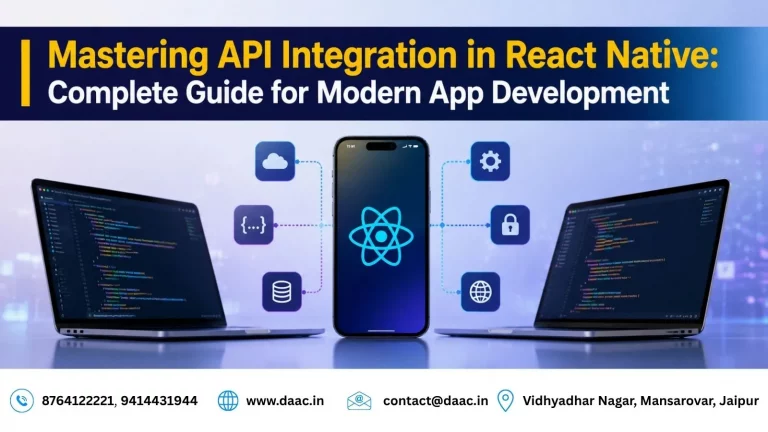
Database and API Integration
Most modern mobile applications rely on backend systems to store and retrieve information. Therefore, students must understand how applications communicate with servers.
Important concepts include:
- REST APIs
- JSON handling
- Authentication systems
- Local storage
- Cloud databases
For example, an e-commerce application constantly exchanges data between mobile devices and cloud servers. Without proper API integration, real-time functionality would not be possible.
Learning these concepts helps students create professional-grade applications.
Working with Flutter and React Native
Cross-platform development continues to dominate the mobile industry because businesses want faster development cycles and lower costs.
Popular frameworks include:
Flutter
Developed by Google, Flutter allows developers to build visually attractive applications using a single codebase.
React Native
Built by Meta, React Native enables developers to create native-like experiences across multiple platforms.
Students who want to learn mobile app development should gain hands-on experience with these frameworks because they are widely used across startups and enterprise projects.
Testing and Quality Assurance
Testing is one of the most overlooked areas among beginners. However, professional developers spend significant time ensuring applications work correctly before release.
Important testing methods include:
- Functional testing
- Performance testing
- Security testing
- User acceptance testing
A well-tested application reduces user complaints and improves overall reliability.
Understanding testing procedures is an essential component of modern mobile app developer skills and helps students build production-ready applications.
Cloud Services and Modern Development Tools
Cloud technology has become a standard component of mobile applications. Students should learn how modern apps use cloud platforms to improve scalability and functionality.
Important areas include:
- Cloud databases
- Authentication services
- Push notifications
- File storage
- Analytics integration
Students should also become familiar with tools such as:
- Android Studio
- VS Code
- GitHub
- Firebase
- Postman
These technologies are commonly used in professional development environments.
Why Project-Based Learning Matters
Employers increasingly prefer candidates with practical experience. A strong portfolio often creates a greater impact than certifications alone.
Students should build projects such as:
- Expense tracking apps
- Food delivery systems
- Fitness applications
- Learning management apps
- Appointment booking platforms
Working on real projects helps students understand development challenges and improves problem-solving abilities.
Students who want structured training can explore a Mobile App Development Course in Jaipur offered by DAAC, where practical projects and industry-focused learning are emphasized throughout the curriculum.
Career Opportunities After Completing a Mobile App Development Course
The demand for mobile developers remains strong across industries. Companies are actively hiring professionals who can design, build, and maintain modern applications.
Popular career roles include:
- Android Developer
- Flutter Developer
- React Native Developer
- Mobile Application Developer
- Software Engineer
- Freelance App Developer
Students interested in expanding their technology expertise can also explore a Full Stack Developer Course in Jaipur to strengthen backend development knowledge and increase career opportunities.
How to Choose the Right Mobile App Development Course
Before enrolling, students should evaluate training programs carefully.
Look for:
- Updated curriculum
- Practical projects
- Experienced mentors
- Industry-relevant technologies
- Placement assistance
- Portfolio development opportunities
A course should focus on building practical skills rather than relying only on theoretical concepts.
Conclusion
The mobile industry continues to create exciting opportunities for skilled developers. A modern Mobile App Development Course should prepare students with programming knowledge, UI design expertise, database integration skills, testing experience, cloud technology exposure, and real-world project development.
Students who follow a structured mobile app development roadmap, build practical projects, and continuously upgrade their skills will be better prepared for long-term success in the rapidly evolving mobile technology industry.
FAQs
1. What should a mobile app development syllabus include?
A quality mobile app development syllabus should include programming fundamentals, UI design, APIs, databases, testing, deployment, cloud services, and project-based learning.
2. Which framework is better for beginners, Flutter or React Native?
Flutter is often considered beginner-friendly because of its consistent UI framework and strong documentation, while React Native benefits from JavaScript familiarity.
3. How long does it take to learn mobile app development?
Most students can develop job-ready skills within 4 to 8 months through structured learning and practical project work.
4. Are mobile app developers in demand in 2026?
Yes. Businesses across multiple industries continue to invest in mobile applications, creating strong demand for skilled developers.
5. Is mobile app development a good career choice?
Yes. Mobile development offers opportunities in startups, enterprises, freelancing, and software product companies with strong long-term growth potential.