
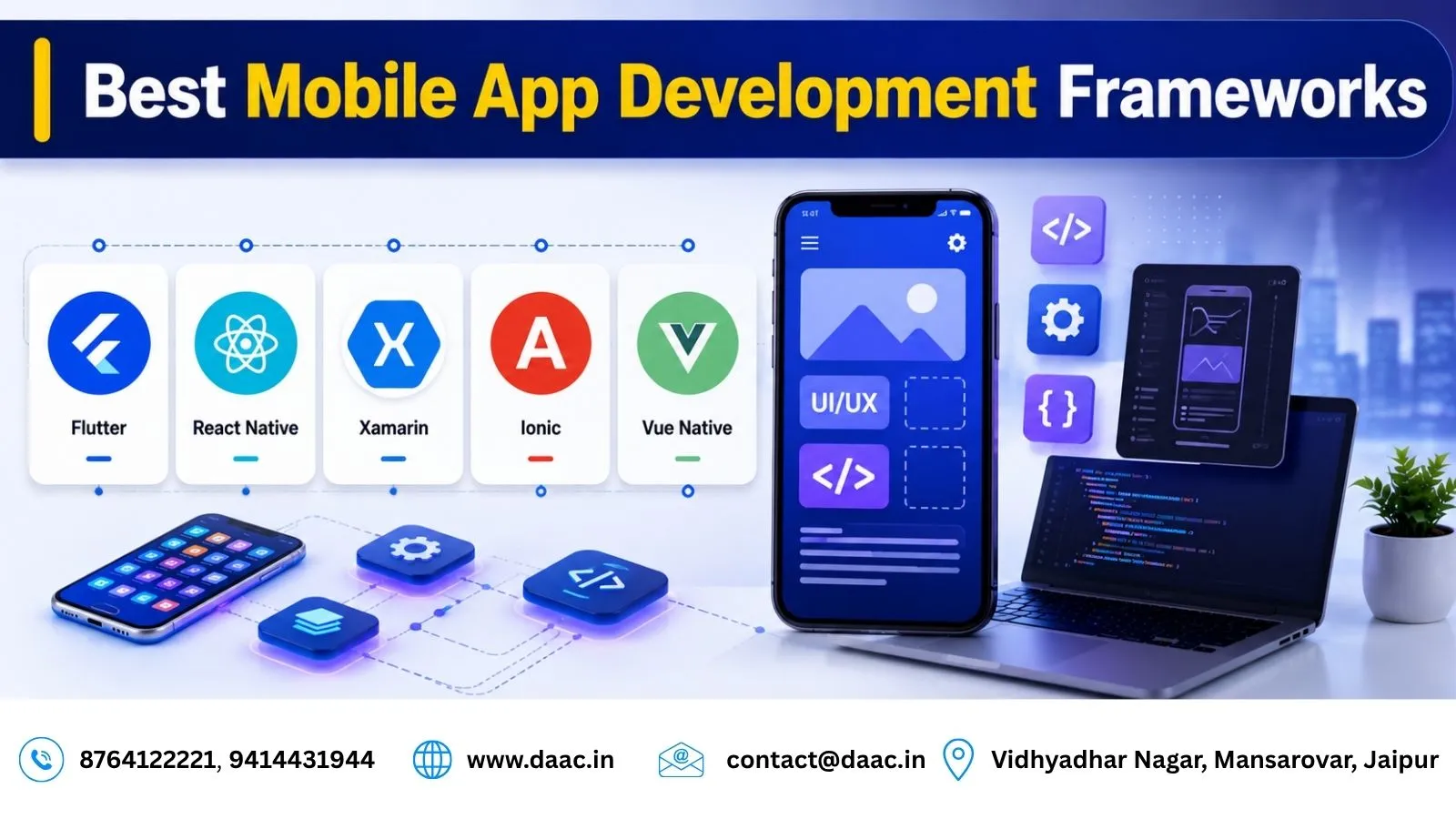
Mobile app development has become one of the fastest-growing sectors in the digital world. From startups to global enterprises, every business now depends on mobile applications to connect with users, improve services, and increase revenue. Choosing the right Mobile App Development Frameworks plays a critical role in building high-performance, scalable, and user-friendly applications. In 2024, developers have access to powerful tools that simplify coding, improve efficiency, and support cross-platform deployment.
Modern frameworks are not just coding tools; they are complete ecosystems that help developers build apps faster with better performance. Whether you are a beginner or an experienced developer, understanding these frameworks is essential for career growth and industry success.
Why Mobile App Frameworks Matter in Modern Development
Mobile app frameworks are important because they simplify complex development processes and allow developers to build applications for multiple platforms using a single codebase. This reduces development time, cost, and effort significantly while improving productivity.
One of the biggest advantages of modern frameworks is cross-platform compatibility. Developers can create apps for Android and iOS simultaneously, which increases market reach. Businesses prefer this approach because it reduces maintenance costs and speeds up time-to-market. Frameworks also offer pre-built components, which help developers focus more on functionality rather than repetitive coding tasks.
In addition, frameworks improve consistency in design and performance. Apps built using structured frameworks provide smoother user experiences, better navigation, and optimized performance across devices. This is why companies increasingly invest in professionals who understand Cross Platform App Development and modern development ecosystems.
1. React Native
React Native remains one of the most popular Mobile App Development Frameworks in 2024. Developed by Meta, it allows developers to build mobile applications using JavaScript and React. The biggest advantage of React Native is its ability to deliver near-native performance while using a single codebase.
Many global companies such as Instagram, Tesla, and Airbnb use React Native for their mobile applications. It offers fast development cycles, strong community support, and reusable components. Developers who master React Native often find strong career opportunities in startups and enterprise-level companies.
2. Flutter
Flutter, developed by Google, has gained massive popularity due to its speed and flexibility. It uses the Dart programming language and allows developers to create visually appealing applications for Android, iOS, web, and desktop using a single codebase.
One of the strongest features of Flutter is its rich UI toolkit. It enables developers to build highly customized interfaces with smooth animations and responsive designs. This makes it ideal for modern applications that require excellent user experience. Students learning Flutter App Development often find it easier to build production-ready apps quickly due to its simplified structure.
3. Xamarin
Xamarin, backed by Microsoft, is another powerful framework used for building cross-platform mobile applications. It uses C# and .NET technologies, making it ideal for developers already familiar with the Microsoft ecosystem.
Xamarin allows code sharing across platforms while still offering access to native APIs. This ensures high performance and native-like user experience. It is widely used in enterprise-level applications where security, scalability, and integration with Microsoft services are important requirements.
4. Ionic
Ionic is a widely used framework for building hybrid mobile applications using web technologies such as HTML, CSS, and JavaScript. It is known for its simplicity and flexibility, making it a great option for web developers transitioning into mobile development.
Ionic provides a large library of UI components that help create visually consistent applications. It also integrates easily with frameworks like Angular and React, making it a versatile choice for developers working on hybrid solutions. Many beginners prefer Ionic due to its lower learning curve.
5. Apache Cordova
Apache Cordova, previously known as PhoneGap, allows developers to build mobile applications using standard web technologies. It acts as a bridge between web applications and native device features such as camera, GPS, and storage.
While Cordova is not as modern as Flutter or React Native, it is still useful for simple applications and prototypes. It is widely used in projects where rapid development and basic functionality are more important than advanced performance optimization.
Key Benefits of Using Mobile App Frameworks
Modern frameworks offer several advantages that make mobile development more efficient and scalable:
- Faster development with reusable code
- Cross-platform compatibility
- Lower development cost
- Access to native device features
- Strong community support
- Better scalability and performance optimization
- Integration with modern tools and libraries
These benefits make frameworks essential for businesses aiming to build high-quality mobile applications quickly and efficiently.
Career Opportunities in Mobile App Development
The demand for mobile app developers continues to grow rapidly as businesses shift toward digital platforms. Professionals skilled in modern frameworks have access to a wide range of career opportunities, including mobile app developer, software engineer, and full-stack developer roles.
Students who enroll in a Mobile App Development Course in Jaipur gain hands-on experience with real-world projects, improving their practical skills and job readiness. Learning frameworks like Flutter, React Native, and Ionic significantly increases employability in both startup and enterprise environments.
How to Choose the Right Framework
Choosing the right framework depends on project requirements, budget, and technical expertise. React Native and Flutter are ideal for high-performance applications, while Ionic and Cordova are better suited for simpler apps and prototypes. Xamarin is preferred in enterprise environments where Microsoft integration is required.
Understanding project goals and user expectations is essential before selecting a framework. Developers should also consider long-term maintenance, scalability, and community support when making decisions.
Conclusion
Mobile application development continues to evolve rapidly, and choosing the right Mobile App Development Frameworks is crucial for success. Frameworks like React Native, Flutter, Xamarin, Ionic, and Cordova offer different strengths that cater to various development needs.
Whether you are a beginner or an experienced developer, learning these frameworks can significantly enhance your career opportunities. With the right skills and consistent practice, you can build powerful applications that meet modern user demands and industry standards.
FAQs
1. Which is the best mobile app development framework in 2024?
Flutter and React Native are considered the best frameworks due to their performance, flexibility, and strong community support.
2. Is Flutter better than React Native?
Both are powerful frameworks. Flutter offers better UI performance, while React Native has a larger community and easier learning curve for JavaScript developers.
3. Can beginners learn mobile app development frameworks easily?
Yes, beginners can learn frameworks like Flutter and Ionic with proper guidance and practice through structured training programs.
4. What are cross-platform app development frameworks?
Cross-platform frameworks allow developers to build applications for multiple platforms like Android and iOS using a single codebase.
5. Is mobile app development a good career in 2024?
Yes, mobile app development is a highly in-demand career with excellent job opportunities, salary growth, and freelancing potential.