
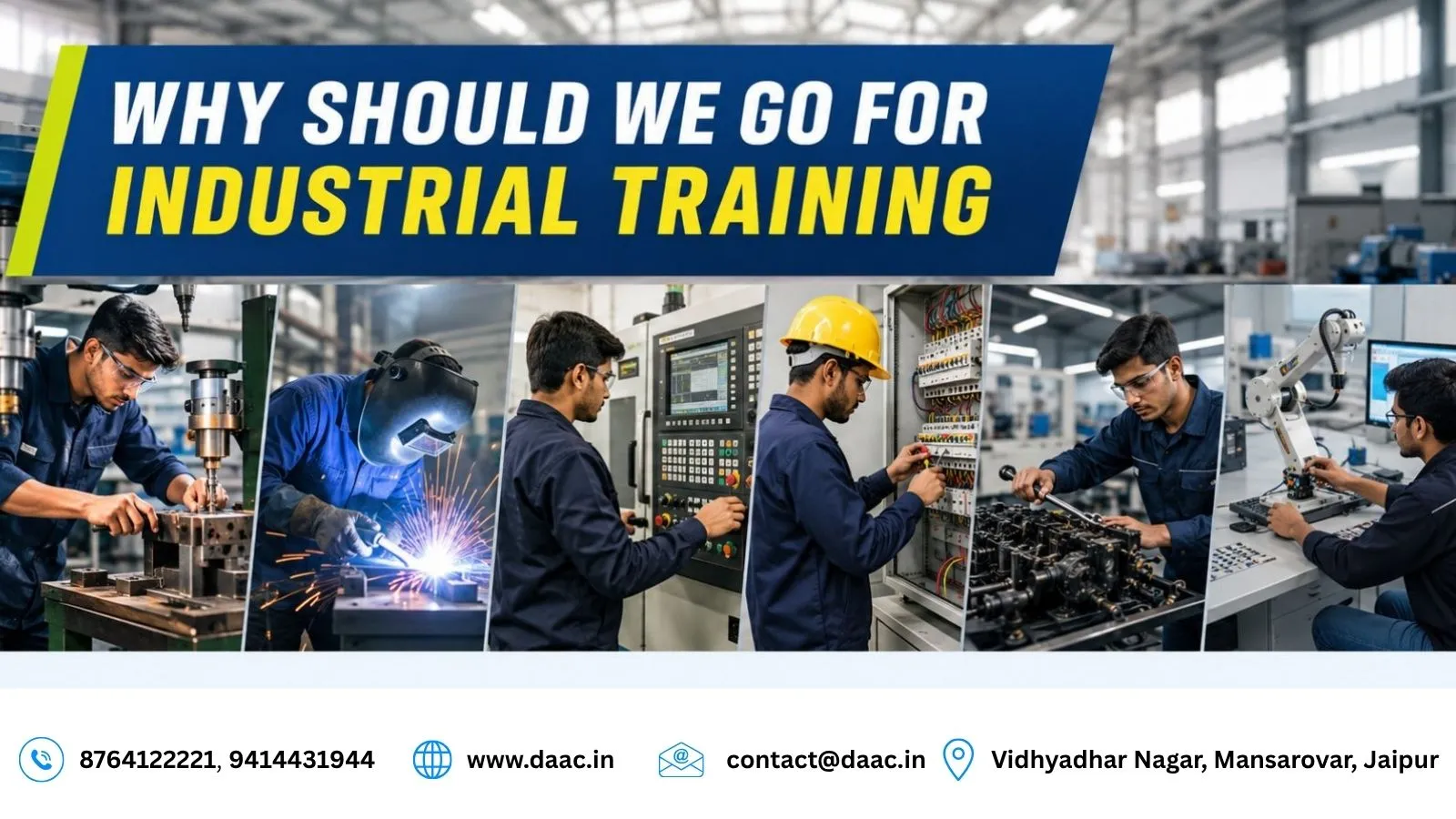
In today’s fast-growing IT industry, theoretical knowledge alone is not enough to build a successful career. Companies expect candidates to have real-world experience, practical problem-solving skills, and industry exposure. This is where industrial training plays a crucial role in shaping a student’s future.
Industrial training bridges the gap between classroom learning and industry requirements. It helps students understand how software development, web design, data analytics, and IT projects actually work in real environments. In 2026, when competition is extremely high, industrial training has become more important than ever for career growth and job readiness.
Why Industrial Training Is Important for IT Students
Industrial training is not just an optional activity; it is a career-building phase. Students who undergo structured training programs gain a clear understanding of how the industry operates.
It helps in:
- Understanding real project workflows
- Learning teamwork in professional environments
- Getting exposure to industry tools and technologies
- Improving problem-solving ability
- Building confidence for interviews
Most companies today prefer candidates who already have hands-on experience rather than only academic knowledge.
Gain Real-World Practical Experience
One of the biggest advantages of industrial training is exposure to real projects. Unlike classroom learning, where concepts are theoretical, industrial training allows students to apply their knowledge in practical scenarios.
For example, a web development student may work on:
- Live websites
- Client-based projects
- UI/UX improvements
- Bug fixing and testing
This real exposure helps students understand how professional IT systems function. It also improves decision-making skills and builds a strong technical foundation.
Develop Industry-Relevant Skills
Industrial training helps students develop the exact skills that companies demand. These skills are not limited to coding but also include communication, teamwork, and project handling.
Key skills developed include:
- Programming and development skills
- Problem-solving techniques
- Time management
- Version control systems like Git
- Working with real tools and frameworks
Students who complete industrial training often perform better in interviews because they already understand industry expectations.
Students looking to enhance their technical career can also explore structured programs like a Web Development Course in Jaipur that provides practical training aligned with industry standards.
Build Confidence and Professional Exposure
Many students struggle during interviews because they lack confidence and real project exposure. Industrial training helps solve this problem by providing a professional environment where students work like real employees.
During training, students:
- Interact with mentors and developers
- Participate in project discussions
- Learn workplace communication
- Handle deadlines and responsibilities
This exposure builds confidence and prepares students for corporate environments.
Explore Career Specializations
The IT field offers multiple career paths, and industrial training helps students explore them before choosing a final direction.
Popular specializations include:
- Web Development
- Mobile App Development
- Data Analytics
- Artificial Intelligence
- Software Testing
By working on different projects, students can identify their strengths and interests. This helps them choose a better career path instead of making random decisions.
Improve Employability and Job Opportunities
Companies today prefer candidates who are job-ready from day one. Industrial training makes students employable by giving them real experience and project knowledge.
Benefits include:
- Better resume strength
- Higher chances of selection
- Improved interview performance
- Practical portfolio development
Students who complete training programs often get placed faster compared to those without experience.
For advanced career growth, students can also pursue a Full Stack Developer Course in Jaipur, which covers both frontend and backend development skills required in modern IT jobs.
Learn from Industry Experts and Mentors
Industrial training provides direct interaction with experienced professionals. Mentors guide students throughout their learning journey and help them understand real industry challenges.
Mentorship benefits include:
- Learning best coding practices
- Understanding real project architecture
- Getting career guidance
- Improving technical thinking
This mentorship experience plays a key role in shaping a student’s future career path.
Work on Live Projects
One of the most valuable parts of industrial training is working on live projects. Instead of just learning theory, students contribute to actual business solutions.
Live project experience includes:
- Website development
- Software testing
- UI improvements
- Backend integration
This experience becomes a strong addition to a resume and portfolio, making students more attractive to employers.
Benefits for Companies as Well
Industrial training is not only beneficial for students but also for companies. Organizations get access to fresh talent and new ideas.
Companies benefit by:
- Identifying future employees
- Reducing hiring costs
- Increasing productivity
- Bringing innovative thinking
It creates a win-win situation for both students and organizations.
Future Scope of Industrial Training in 2026
With increasing competition in the IT industry, industrial training is becoming a mandatory step for students. In 2026, companies are focusing more on skill-based hiring rather than degrees.
Future trends include:
- More project-based hiring
- Increased demand for practical skills
- Remote internships and training programs
- AI-integrated development training
Students who adapt early will have better career opportunities.
Conclusion
Industrial training is a powerful step in building a successful IT career. It helps students gain real experience, develop technical skills, improve confidence, and become job-ready professionals.
In 2026, where the IT industry is evolving rapidly, practical knowledge is more valuable than ever. Students who invest time in industrial training gain a strong advantage in the job market and build a solid foundation for their future careers.
FAQs
1. What is industrial training in IT?
Industrial training is practical, real-world training where students work on live projects to gain industry experience and technical skills.
2. Why is industrial training important for students?
It helps students gain practical exposure, improve skills, and become job-ready for IT industry jobs.
3. How long does industrial training usually take?
Industrial training typically lasts from 6 weeks to 6 months depending on the course and institute.
4. Does industrial training help in getting jobs?
Yes, it improves employability, builds confidence, and increases chances of placement in IT companies.
5. What skills are learned during industrial training?
Students learn coding, development, teamwork, communication, tools usage, and real project handling skills.