The software industry continues to grow rapidly, and companies are investing heavily in quality assurance to deliver reliable digital products. As businesses launch websites, mobile applications, cloud platforms, and enterprise software, the demand for skilled testers is increasing across industries. For students and graduates looking to enter the IT sector, software testing offers one of the most accessible and rewarding career paths.
Unlike some technical roles that require advanced programming knowledge from day one, testing allows freshers to start with analytical thinking, problem-solving, and quality-focused skills. Over time, professionals can expand into automation, API testing, performance testing, and quality engineering roles.
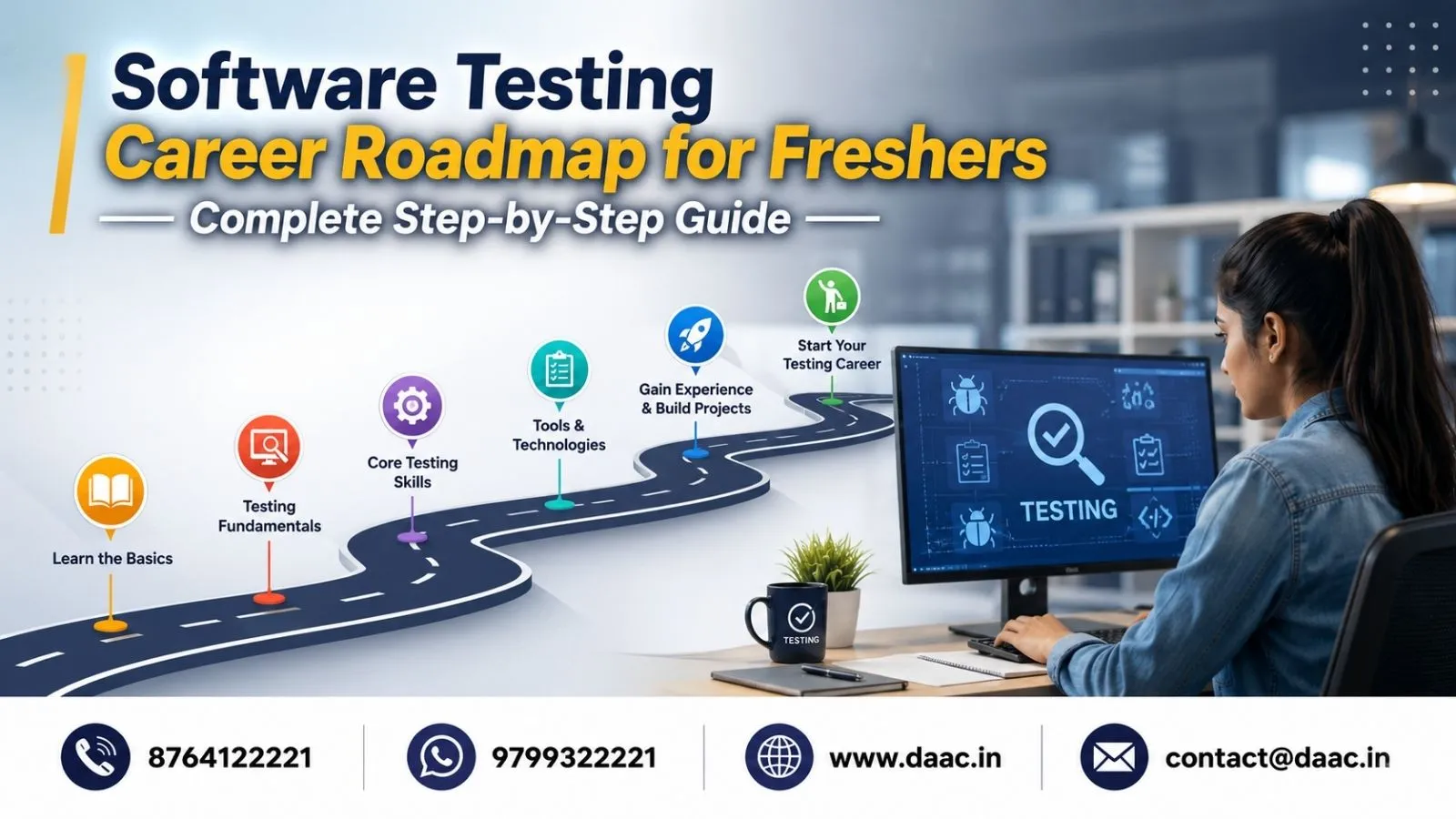
This Software Testing Career Roadmap explains the exact steps freshers should follow in 2026 to build a successful career in software testing, understand industry requirements, and secure long-term growth opportunities.
Why Software Testing Is a Smart Career Choice in 2026
Software testing has evolved significantly over the last few years. Modern organizations now prioritize product quality, customer experience, and application security. As a result, testing professionals play a crucial role throughout the software development lifecycle.
Some reasons why software testing remains an attractive career include:
- Strong demand across industries
- Opportunities for fresh graduates
- Multiple specialization paths
- Competitive salary growth
- Remote and hybrid work options
- Continuous learning opportunities
Whether a company develops mobile applications, banking software, healthcare platforms, or e-commerce solutions, testing professionals are essential to ensure reliability and performance.
Step 1: Understand Software Development Fundamentals
Before learning testing techniques, freshers should understand how software is developed. A strong foundation helps testers identify issues more effectively and communicate with development teams.
Important concepts include:
- Software Development Life Cycle (SDLC)
- Agile and Scrum methodologies
- Software requirements gathering
- Application architecture basics
- Software release processes
Understanding these concepts helps testers see the bigger picture and contribute more effectively to project success.
A tester who understands development workflows can identify risks earlier and provide valuable feedback during project execution.
Step 2: Learn Software Testing Fundamentals
Every successful tester starts by mastering core testing concepts. This stage builds the foundation required for future growth.
Important topics include:
- Software Testing Life Cycle (STLC)
- Testing principles
- Verification and validation
- Functional testing
- Non-functional testing
- Black-box testing
- White-box testing
- Regression testing
These concepts form the backbone of quality assurance and help freshers understand how testing contributes to software quality.
A strong understanding of testing fundamentals makes advanced concepts much easier to learn later.
Step 3: Master Manual Testing Skills
Manual testing remains one of the most important skills for beginners. Before automating tests, professionals must understand how software behaves and how defects are identified.
Key manual testing skills include:
- Test case writing
- Test scenario creation
- Defect reporting
- Bug lifecycle management
- Requirement analysis
- Test execution techniques
Companies still hire freshers primarily for manual testing roles because these positions help build analytical thinking and practical software understanding.
Many successful automation engineers started their careers by mastering manual testing fundamentals.
Step 4: Learn Industry-Standard Testing Tools
Modern testing environments rely heavily on tools for collaboration, tracking, and reporting.
Freshers should become familiar with:
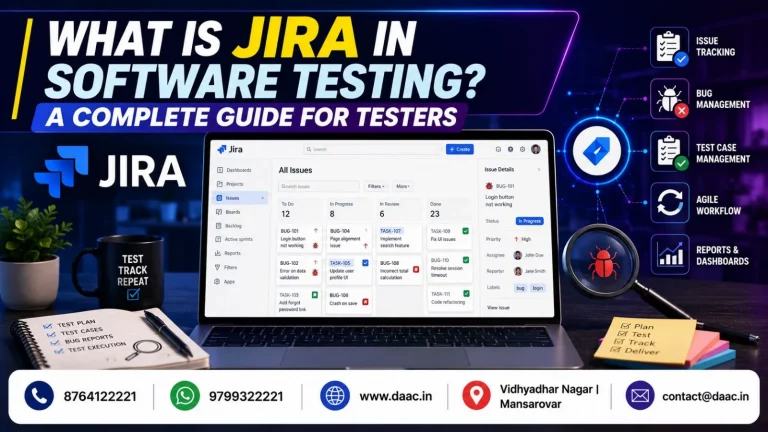
- JIRA
- TestRail
- Bugzilla
- Excel
- Confluence
- Azure DevOps
These tools help teams manage defects, monitor progress, and maintain documentation efficiently.
Practical exposure to testing tools significantly improves job readiness because most organizations use similar systems in their daily workflows.
Step 5: Gain Real-Time Project Experience
Employers increasingly prefer candidates who can demonstrate practical experience rather than only theoretical knowledge.
Working on real projects helps freshers understand:
- Requirement analysis
- Test planning
- Defect reporting
- Team collaboration
- Client expectations
Students who participate in live projects often perform better during interviews because they can discuss actual testing challenges and solutions.
Hands-on experience bridges the gap between classroom learning and industry expectations.
Step 6: Start Learning Automation Testing
Automation has become a major requirement in modern testing environments. Once manual testing fundamentals are strong, freshers should begin learning automation concepts.
Essential automation topics include:
- Selenium WebDriver
- TestNG
- Automation frameworks
- Data-driven testing
- Page Object Model
- Continuous testing concepts
Automation testing allows organizations to execute repetitive tests quickly and efficiently.
Students interested in automation often strengthen their programming knowledge through a Core Java Course in Jaipur, since Java remains one of the most widely used languages in Selenium automation projects.
Learning automation significantly increases career growth opportunities and earning potential.
Step 7: Develop API Testing Skills
Modern applications rely heavily on APIs to exchange information between systems. API testing has therefore become a highly valuable skill.
Important concepts include:
- REST APIs
- HTTP methods
- JSON responses
- API validation
- Postman
- API authentication
Companies increasingly seek testers who can validate APIs because modern applications often depend on complex backend integrations.
API testing skills help professionals move beyond traditional UI testing and expand their technical expertise.
Step 8: Explore Performance and Security Testing
As applications become more complex, organizations require specialists who can evaluate system performance and identify vulnerabilities.
Popular tools include:
- JMeter
- LoadRunner
- OWASP tools
- Security testing frameworks
Performance testing helps determine how applications behave under heavy traffic, while security testing identifies potential weaknesses before deployment.
Although not mandatory for beginners, these skills can create excellent career opportunities later.
Step 9: Earn Relevant Certifications
Certifications help validate skills and improve credibility in the job market.
Popular certifications include:
- ISTQB Foundation Level
- Certified Selenium Professional
- Agile Testing Certifications
- API Testing Certifications
While certifications alone do not guarantee employment, they demonstrate commitment to learning and professional development.
Recruiters often view certified candidates more favorably when evaluating entry-level applicants.
Step 10: Prepare for Software Testing Interviews
Interview preparation is a critical part of the career roadmap. Many candidates possess technical knowledge but struggle to present their skills effectively.
Focus on:
- Manual testing questions
- Automation concepts
- Defect lifecycle discussions
- SDLC and STLC concepts
- Project explanations
- Scenario-based questions
Mock interviews and practical project discussions can significantly improve confidence and performance.
Strong communication skills often make a major difference during the hiring process.
Salary Growth in Software Testing
One of the reasons freshers choose software testing is the attractive salary progression available with experience and specialization.
Typical Salary Progression
| Experience Level | Average Salary |
|---|---|
| Fresher | ₹3–6 LPA |
| 2–4 Years | ₹7–12 LPA |
| 5+ Years | ₹15–25+ LPA |
Professionals who specialize in automation, API testing, cloud testing, and performance testing often achieve faster salary growth.
The combination of technical expertise and practical project experience creates excellent long-term earning potential.
How DAAC Helps Students Become Job-Ready
Building a successful testing career requires structured learning, practical exposure, and industry guidance. DAAC focuses on helping students develop the skills required by modern employers.
Key benefits include:
- Industry-oriented curriculum
- Practical testing assignments
- Live project implementation
- Tool-based training
- Resume building support
- Mock interview preparation
- Placement assistance
Students aiming for advanced testing roles often complement their testing knowledge with a Software Testing Course in Jaipur that includes manual testing, automation frameworks, API testing, and real-world project experience.
This combination of technical skills and practical training helps students transition smoothly into professional QA roles.
Future Scope of Software Testing
Software testing continues to evolve with technologies such as artificial intelligence, cloud computing, DevOps, and continuous delivery.
Emerging opportunities include:
- Automation Engineer
- QA Analyst
- Performance Tester
- Security Tester
- SDET (Software Development Engineer in Test)
- Test Architect
- QA Manager
As software systems become increasingly complex, the demand for skilled testing professionals is expected to remain strong for years to come.
Freshers entering the field today can build highly rewarding careers by continuously upgrading their skills and adapting to industry trends.
Conclusion
Software testing remains one of the best entry points into the IT industry for fresh graduates in 2026. It provides a structured growth path, strong job opportunities, and the flexibility to specialize in multiple domains. By following this Software Testing Career Roadmap, freshers can systematically develop technical expertise, gain practical experience, and become job-ready professionals.
The journey begins with understanding software fundamentals and manual testing before progressing toward automation, API testing, performance testing, and advanced quality engineering roles. With the right training, certifications, projects, and continuous learning, software testing can become a stable and highly rewarding long-term career.
FAQs
1. Is software testing a good career for freshers in 2026?
Yes. Software testing offers strong demand, excellent growth opportunities, and multiple specialization paths for fresh graduates entering the IT industry.
2. Do I need programming knowledge to start software testing?
No. Freshers can begin with manual testing. Basic programming becomes important later when learning automation testing tools.
3. Which automation tool should beginners learn first?
Selenium WebDriver is one of the most widely used automation testing tools and is an excellent starting point for beginners.
4. What is the average starting salary for a software tester?
Most freshers can expect salaries between ₹3 LPA and ₹6 LPA depending on skills, certifications, and project experience.
5. How long does it take to become job-ready in software testing?
With consistent learning and practical training, most students can become job-ready within three to six months.