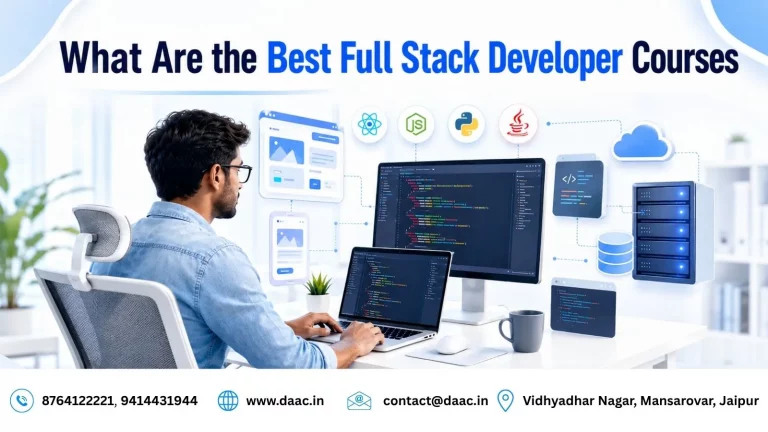
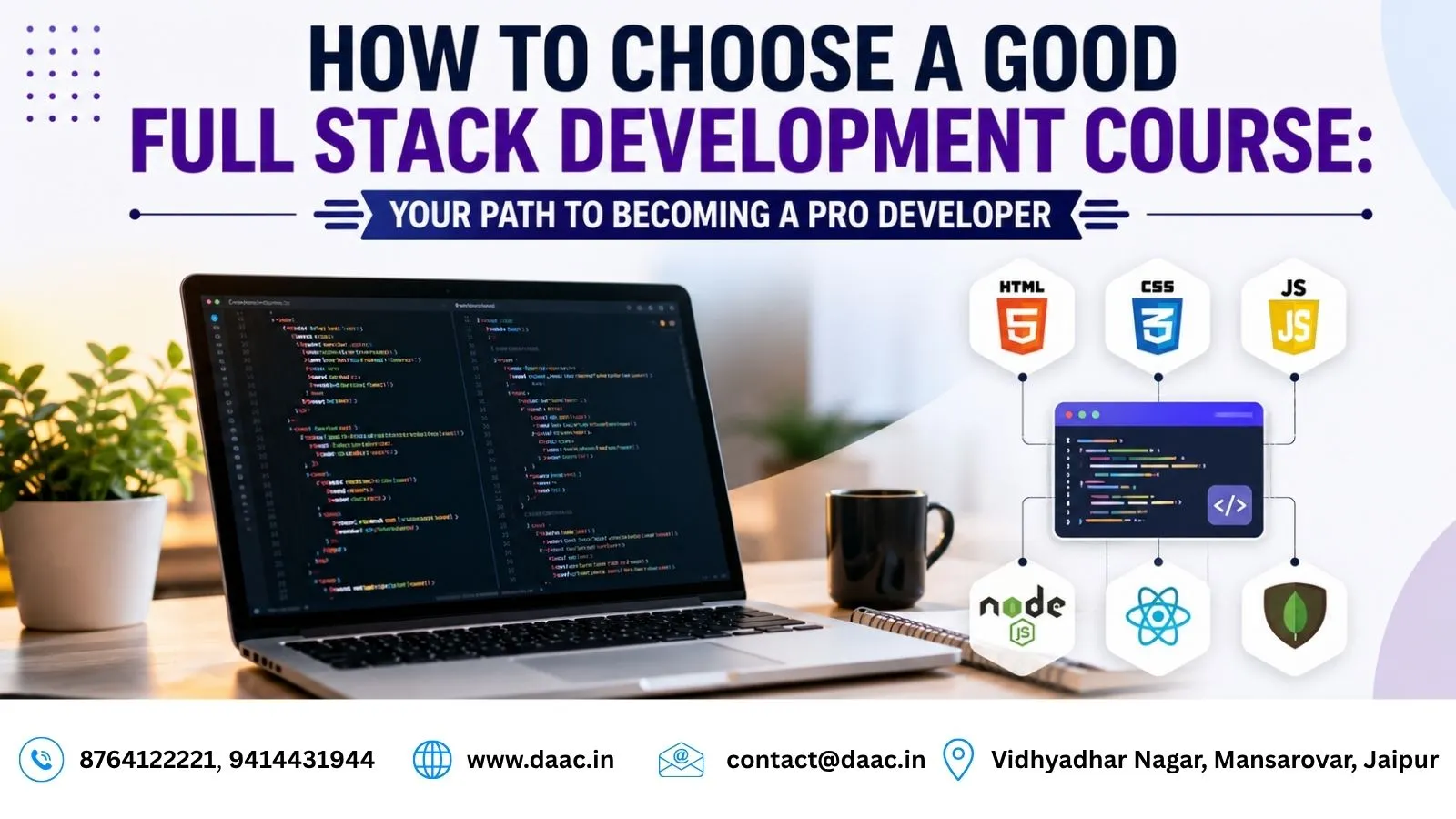
Full Stack Development is one of the most in-demand skills in the IT industry today. It allows developers to work on both the frontend and backend of web applications. The frontend is what users interact with, while the backend handles data processing, server logic, and database management. A skilled developer who completes a structured Full Stack Developer Course can build complete web applications independently.
As companies continue to move toward digital platforms, the demand for full stack developers is growing rapidly. However, choosing the right learning path is very important because the quality of your course directly impacts your career growth and technical skills.
What is Full Stack Development
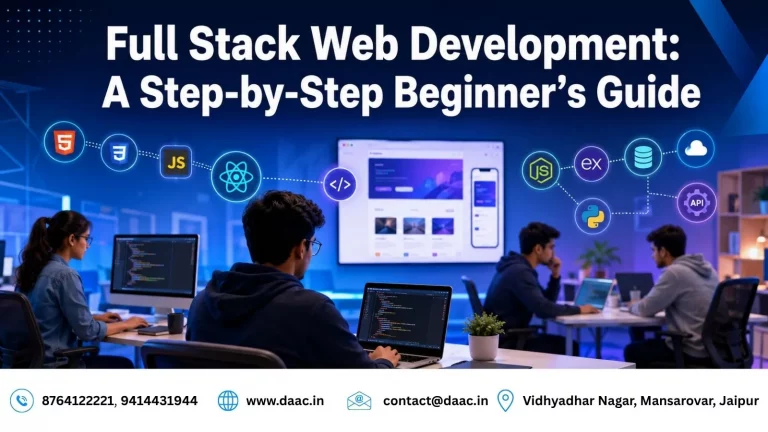
Full Stack Development refers to the process of developing both client-side and server-side parts of a web application. It includes frontend technologies like HTML, CSS, and JavaScript, and backend technologies like Node.js, Python, PHP, and databases such as MySQL or MongoDB.
A professional who learns through a structured Full Stack Development Course understands how all these layers work together. This knowledge is essential for building scalable and modern web applications.
Why Choosing the Right Course Matters
The IT industry is highly competitive, and not all courses provide the same level of quality. A good course helps you build strong fundamentals, real-world project experience, and job-ready skills. On the other hand, a poor-quality course may leave gaps in your knowledge and reduce your chances of getting a good job.
A well-designed Web Development Training program ensures that you not only learn technologies but also understand how to apply them in real-world projects.
Key Factors to Choose the Best Full Stack Developer Course
1. Course Curriculum and Structure
The most important factor is the syllabus. A good course should cover both frontend and backend technologies in detail.
You should look for:
- Frontend basics like HTML, CSS, JavaScript
- Modern frameworks like React or Angular
- Backend development with Node.js, Python, or Java
- Database management with SQL and NoSQL
- API development and integration
- Deployment and hosting concepts
A complete IT Career Skills focused course ensures industry readiness.
2. Instructor Experience and Teaching Quality
The quality of teaching matters as much as the content itself. Experienced instructors can explain complex concepts in a simple way and provide real-world insights.
Check whether:
- Trainers have industry experience
- They provide practical examples
- They offer doubt-solving support
- They guide you in project building
Good mentorship improves your learning speed and confidence.
3. Practical Learning and Projects
A strong Full Stack Developer Course should focus on hands-on learning. Theory alone is not enough to become a developer.
Look for:
- Real-world projects
- Live coding sessions
- Capstone projects
- Portfolio development support
Projects like e-commerce websites, blogging platforms, or job portals help you understand real development workflows.
4. Learning Flexibility and Mode
Different learners have different needs. Some prefer online learning, while others prefer classroom training.
Common options include:
- Self-paced online courses
- Live instructor-led classes
- Offline coaching institutes
- Bootcamp-style intensive programs
Choose a format that matches your schedule and learning style.
5. Certification and Job Support
A recognized certificate adds value to your resume. Many companies prefer candidates who have completed structured training programs.
Check whether the course offers:
- Industry-recognized certification
- Resume building support
- Interview preparation
- Placement assistance
These features improve your chances of getting hired.
Popular Platforms for Full Stack Development Courses
There are several platforms where you can learn full stack development. Each has its own advantages.
Online Learning Platforms
Platforms like Udemy, Coursera, and edX offer affordable courses. They are flexible and allow you to learn at your own pace. These platforms are suitable for beginners who want to explore Online Coding Courses before joining advanced training.
Universities and Colleges
Many universities offer structured degree programs in computer science and software development. These programs are more detailed but take longer to complete.
Coding Bootcamps
Bootcamps are short-term intensive programs designed for job readiness. They focus heavily on practical skills and real-world projects. Although they are expensive, they provide fast career transition opportunities.
Advantages of Online Full Stack Development Learning
Online learning has become very popular due to its flexibility and affordability.
Key benefits include:
- Lower cost compared to traditional education
- Learn from anywhere
- Flexible study schedule
- Access to global instructors
- Wide variety of course options
This makes online learning a strong option for beginners starting their Web Development Training journey.
Challenges of Online Learning
While online courses are convenient, they also come with some challenges.
- Self-discipline is required to stay consistent
- Limited direct interaction with instructors
- No fixed classroom environment
- Requires strong motivation
Students must stay focused and practice regularly to succeed.
Importance of Real Projects and Portfolio
A strong portfolio is essential for getting a job as a full stack developer. Employers want to see your practical skills, not just certificates.
You should build:
- Personal projects
- Clone websites like Amazon or Netflix UI
- API-based applications
- Full-stack web apps
A strong portfolio proves your ability to work on real-world problems.
Course Reviews and Research
Before selecting any course, always check reviews and student feedback. This helps you understand:
- Course quality
- Teaching style
- Placement success rate
- Real student experiences
Doing proper research helps you avoid low-quality training programs.
Career Opportunities After Full Stack Development Course
After completing a professional Full Stack Developer Course, you can apply for roles such as:
- Frontend Developer
- Backend Developer
- Full Stack Developer
- Web Application Developer
- Software Engineer
The demand for these roles is increasing across startups and IT companies globally.
Conclusion
Choosing the right Full Stack Development course is a crucial step toward building a successful IT career. A good course should offer strong fundamentals, practical training, experienced mentors, and real project exposure.
By selecting the right learning path and staying consistent with practice, you can build strong development skills and become a professional full stack developer in the growing tech industry.
FAQs
1. What is the best Full Stack Developer Course for beginners?
A course that covers HTML, CSS, JavaScript, backend development, and real projects is ideal for beginners.
2. How long does it take to learn full stack development?
It usually takes 6 to 12 months depending on practice and learning speed.
3. Is online learning enough for full stack development?
Yes, if combined with consistent practice and real project building.
4. Do I need a degree to become a full stack developer?
No, skills and practical experience matter more than formal degrees.
5. What should I check before joining a course?
Check curriculum, instructor experience, projects, reviews, and placement support.