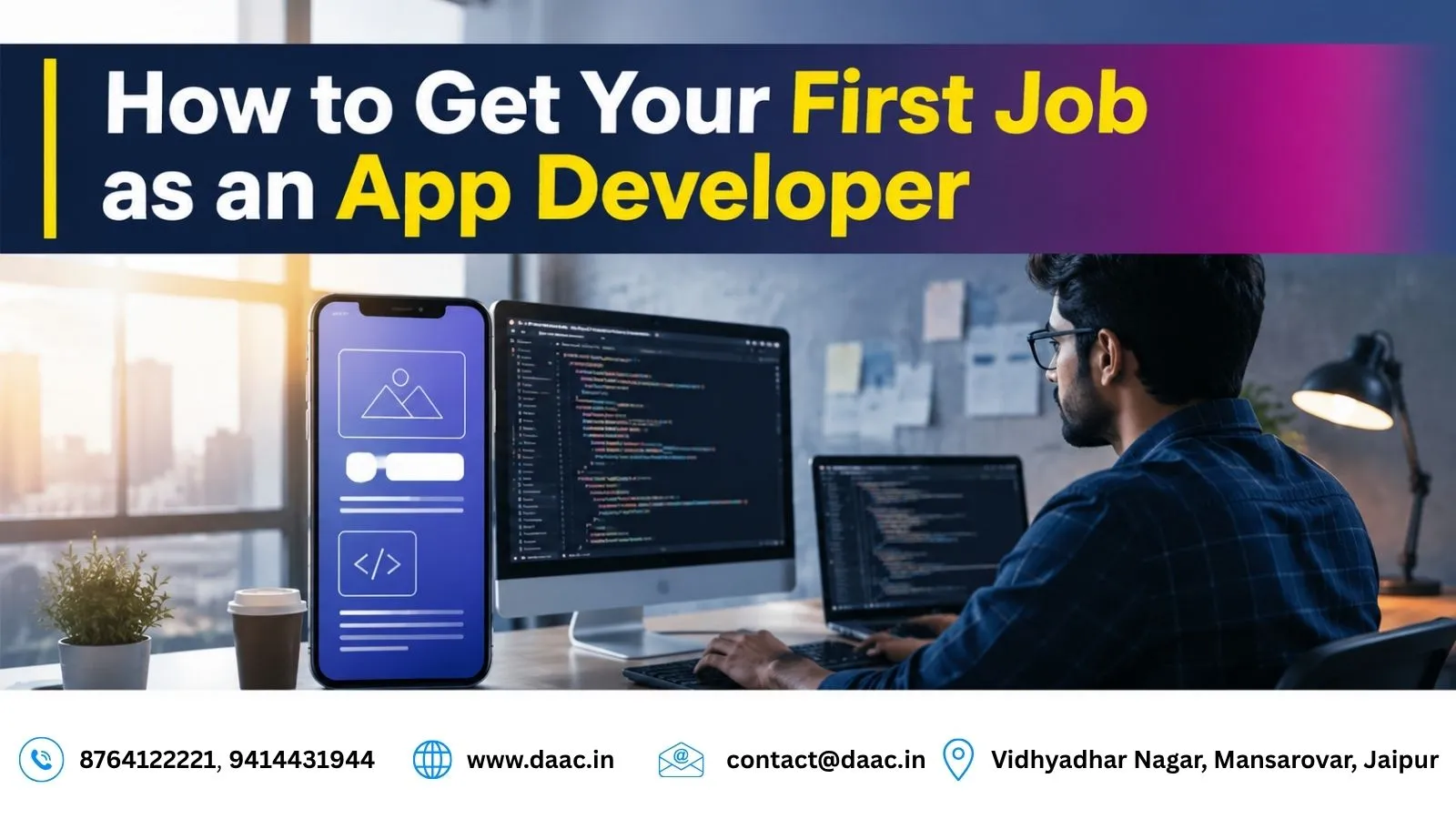
Starting a career in mobile app development has become one of the most promising choices in today’s digital world. Every business, from startups to global companies, now depends on mobile applications to engage customers and grow revenue. This demand has created thousands of opportunities for beginners who want to enter the field through structured learning and practical experience. An App Developer Career offers long-term growth, flexibility, and strong earning potential across different industries.
Many students complete an app development course but struggle to secure their first job. The reason is not lack of opportunities but lack of direction. Companies today expect candidates to have practical knowledge, project experience, and problem-solving skills. Whether you are aiming for Android, iOS, Flutter, or React Native roles, understanding the right roadmap is essential to land your first job successfully.
Step 1: Build Strong Coding Skills Through Learning
The first step in starting an App Developer Career is developing strong coding fundamentals. Programming languages such as Java, Kotlin, Swift, Dart, and JavaScript form the foundation of mobile app development. Without understanding these basics, it becomes difficult to build functional and scalable applications that meet industry standards.
Enrolling in a structured learning program or professional training institute can help beginners gain practical exposure. A well-designed course teaches not only theory but also real-time project implementation. This is essential for preparing students for Mobile App Development Jobs in competitive job markets. Consistent practice and hands-on coding exercises are the key to becoming industry-ready.
Step 2: Work on Real Projects and Build Your Portfolio
A strong portfolio plays a crucial role in getting hired as an app developer. Employers are more interested in what you can build rather than what you have studied. Creating real-world projects helps demonstrate your technical and problem-solving abilities. These projects can include e-commerce apps, chat applications, task management tools, or simple UI-based mobile apps.
Your App Developer Portfolio should highlight your best work with clear descriptions, features, and technologies used. Adding GitHub links or live demo applications increases credibility. Beginners who actively work on projects significantly improve their chances of landing entry-level roles in the industry.
Step 3: Gain Experience Through Internships
Internships are one of the most effective ways to enter the professional world of app development. An App Development Internship allows beginners to work on live projects, understand industry workflows, and gain exposure to real business requirements. This experience helps bridge the gap between academic learning and professional expectations.
During internships, students learn teamwork, version control systems, debugging techniques, and deployment processes. These practical skills are highly valued by employers. Many companies prefer hiring candidates who have internship experience because they are already familiar with real project environments.
Step 4: Prepare for Interviews and Freelance Opportunities
Once you have built skills and completed projects, the next step is preparing for interviews. Technical interviews often include questions related to data structures, programming logic, app architecture, and debugging scenarios. Practicing mock interviews and revising core concepts can significantly improve your confidence.
At the same time, exploring freelance opportunities can also help beginners gain real-world exposure. Freelancing platforms allow developers to work on small projects and build experience gradually. Many students combine freelancing with job preparation to strengthen their App Developer Career path and increase income opportunities while learning.
Step 5: Apply for Entry-Level App Development Jobs
After building skills, completing projects, and gaining internship experience, you can start applying for jobs. There are multiple career paths available in the industry, including Android developer, iOS developer, Flutter developer, and React Native developer roles. Each role offers unique opportunities based on your skill set.
Many companies actively hire freshers for Mobile App Development Jobs if they demonstrate strong project work and technical understanding. Consistent job applications, along with a strong portfolio and resume, increase the chances of securing your first role in the industry.
Step 6: Specialize in High-Demand Technologies
Specialization helps you stand out in a competitive job market. Technologies like Flutter, React Native, Kotlin, and Swift are highly in demand. Companies prefer developers who can build cross-platform or native applications efficiently. Choosing a specialization early in your learning journey can give you a strong advantage during job applications.
For example, candidates applying for Flutter Developer Jobs often get opportunities in startups and product-based companies due to faster development capabilities. Similarly, React Native developers are in demand for cross-platform mobile applications used by large enterprises.
Step 7: Build Communication and Problem-Solving Skills
Technical skills alone are not enough to succeed in the industry. Employers also look for candidates who can communicate effectively and solve real-world problems. Understanding client requirements, discussing technical solutions, and collaborating with teams are essential parts of an app developer’s role.
Improving logical thinking and analytical abilities helps in writing efficient code and developing better applications. Strong communication skills also improve your chances of performing well in interviews and workplace environments.
Step 8: Stay Updated With Industry Trends
Mobile app development is a rapidly evolving field. New frameworks, tools, and technologies are introduced regularly. Staying updated with industry trends helps developers remain competitive and relevant. Following tech blogs, YouTube channels, and developer communities can help you stay informed about the latest advancements.
Developers who continuously upgrade their skills are more likely to secure better job opportunities and long-term career growth in the industry.
Step 9: Strengthen Your Resume and Online Presence
A well-structured resume is essential when applying for jobs. It should highlight your skills, projects, internships, and technical expertise. In addition, maintaining an online presence on platforms like LinkedIn and GitHub increases visibility among recruiters.
Recruiters often evaluate candidates based on their online profiles and project contributions. A strong digital presence improves credibility and helps you stand out in the hiring process.
Step 10: Keep Practicing and Improving Skills
Consistency is the most important factor in building a successful career. Regular practice, project development, and learning new technologies help improve your skills over time. Developers who continuously upgrade themselves are more likely to succeed in long-term career growth.
Building an App Developer Portfolio and updating it regularly ensures that your work reflects your latest skills and achievements. This approach helps maintain competitiveness in the job market.
How DAAC Helps You Build a Strong App Developer Career
DAAC supports students in building a successful career in mobile app development through structured learning and practical exposure.
- Industry-focused training programs
- Real-time project development
- Internship opportunities
- Placement assistance
- Interview preparation support
Students are guided through every stage of learning, from basic coding to advanced application development. This structured approach helps beginners confidently enter the industry and apply for professional roles.
Conclusion
Getting your first job as an app developer requires a combination of skills, practice, and proper guidance. From learning programming languages to building a strong portfolio and completing internships, every step plays a crucial role in career development. Whether you aim for Mobile App Development Jobs, Flutter Developer Jobs, or Android and iOS roles, consistency and hands-on experience are the keys to success.
By following a structured roadmap, improving your technical abilities, and staying updated with industry trends, you can successfully start your journey in the App Developer Career and build a strong future in the tech industry.
FAQs
1. How can I start my app developer career as a fresher?
Start by learning programming languages, joining an app development course, building projects, completing internships, and applying for entry-level roles.
2. Do I need a degree to become an app developer?
No, a degree is not mandatory. Practical skills, projects, and coding knowledge are more important for getting hired.
3. Which technology is best for beginners in app development?
Flutter is often recommended for beginners because it allows cross-platform development with a single codebase.
4. How important is a portfolio for app developers?
A portfolio is extremely important as it showcases your real work and helps employers evaluate your skills.
5. Can freshers get app development internships easily?
Yes, many companies and training institutes offer internships to freshers who have basic skills and project knowledge.