
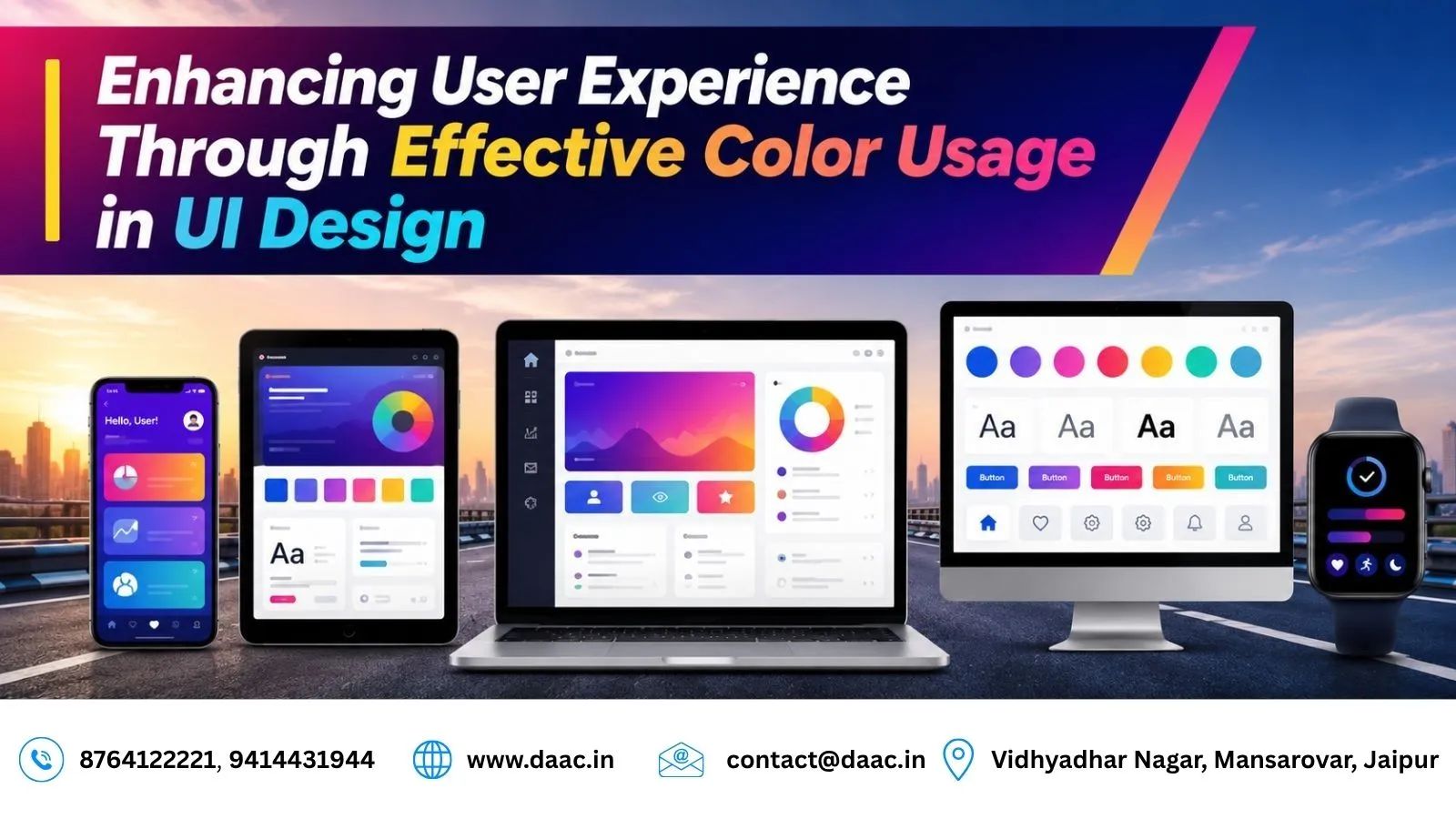
Color is one of the most powerful elements in digital product development. It influences emotions, guides user actions, improves readability, and shapes how people interact with websites and applications. In today’s competitive digital landscape, successful designers understand that color choices are not based solely on aesthetics. Strategic color implementation helps improve usability, strengthen brand identity, and create memorable digital experiences. Effective UI Design relies heavily on thoughtful color selection to ensure users can navigate interfaces comfortably and efficiently.
Why Color Matters in Modern UI Design
Users often form first impressions within seconds of visiting a website or application. During those crucial moments, color significantly impacts perception and engagement. Well-chosen color combinations can create trust, communicate professionalism, and encourage interaction. Poor color choices, on the other hand, can confuse users and reduce overall satisfaction.
Major companies such as Spotify, Airbnb, and Netflix carefully use color to reinforce brand identity and improve user engagement. Their interfaces demonstrate how visual consistency can influence behavior. Designers who understand color strategy can create experiences that feel intuitive, attractive, and easy to use across multiple devices and platforms.
Understanding Color Theory in User Interfaces
A strong understanding of Color Theory provides the foundation for effective interface design. The color wheel helps designers identify relationships between colors and build balanced visual systems. Primary, secondary, and tertiary colors work together to create harmonious combinations that improve both aesthetics and usability.
Designers commonly use several color schemes:
- Complementary colors for strong contrast
- Analogous colors for harmony
- Triadic colors for balance
- Monochromatic palettes for simplicity
- Split-complementary schemes for flexibility
Understanding these relationships helps designers make informed decisions that improve interface clarity while maintaining visual appeal across different screens and devices.
The Psychology Behind Color Choices
Color psychology plays an important role in influencing user behavior. Different colors trigger different emotional responses, making them valuable tools in digital product design. Understanding these psychological effects allows designers to align visual choices with business goals and user expectations.
Common color associations include:
- Blue: Trust, reliability, professionalism
- Green: Growth, health, success
- Red: Urgency, excitement, action
- Yellow: Optimism, energy, creativity
- Purple: Innovation, luxury, imagination
Successful User Experience Design often incorporates these psychological principles to encourage engagement, improve conversions, and support user decision-making processes throughout the interface.
Building a Consistent Color Palette
Consistency is essential for creating professional digital products. A structured color palette helps maintain visual harmony while strengthening brand recognition. Users should immediately recognize your platform through its color identity regardless of where they encounter it online.
Design systems used by leading brands typically define:
- Primary brand colors
- Secondary support colors
- Neutral backgrounds
- Success and error indicators
- Interactive element colors
Students interested in developing practical design skills often explore a UI UX Design Course in Jaipur to learn how professional design systems maintain consistency across websites, applications, and digital products while supporting better user experiences.
Accessibility and Inclusive Color Design
Accessibility has become a critical aspect of modern interface development. Designers must ensure that all users, including those with visual impairments or color vision deficiencies, can access information effectively. Poor contrast ratios and inaccessible color combinations can create barriers that negatively impact usability.
The Web Content Accessibility Guidelines (WCAG) recommend specific contrast standards that improve readability. Following accessibility principles helps designers create interfaces that are inclusive and user-friendly. Accessible design benefits everyone by making digital experiences clearer, easier to navigate, and more comfortable to use in different environments.
Using Color to Guide User Actions
One of the most effective uses of color is directing user attention toward important actions. Strategic color placement can highlight buttons, notifications, forms, and critical information. Users naturally notice contrasting colors first, making them ideal for call-to-action elements.
For example:
- Green buttons often indicate positive actions.
- Red alerts communicate warnings or errors.
- Blue links suggest navigation opportunities.
- Orange elements can emphasize promotions.
Thoughtful color application improves visual hierarchy and supports better decision-making. Effective UI Design uses color not only for decoration but also as a communication tool that guides users through digital experiences.
Creating a Strong Visual Hierarchy
Visual hierarchy determines how users process information within an interface. Color plays a major role in establishing priorities and helping users understand which elements deserve attention first. Important actions should stand out, while supporting content should remain visually secondary.
Designers often combine color with typography, spacing, and layout techniques to strengthen hierarchy. A clear structure reduces cognitive load and improves navigation efficiency. When users can easily identify important content, they are more likely to complete desired actions and enjoy a smoother experience.
Cultural Considerations in Color Selection
Color meanings can vary significantly across cultures. A color that represents positivity in one region may carry different associations elsewhere. Designers working on international products must understand these cultural differences to avoid misunderstandings and improve global user experiences.
Examples include:
- White often symbolizes purity in Western cultures.
- Red can represent luck and prosperity in many Asian countries.
- Black may symbolize elegance or mourning depending on context.
Global brands conduct extensive research before finalizing color systems. Considering cultural preferences helps designers create more inclusive and effective digital experiences for diverse audiences worldwide.
Dark Mode and Modern Design Trends
Dark mode has become one of the most requested interface features in recent years. Users appreciate dark interfaces because they reduce eye strain in low-light environments and improve battery performance on certain devices. However, designing for dark mode requires careful color adjustments.
Successful dark mode implementation involves:
- Maintaining sufficient contrast
- Using softer whites instead of pure white text
- Adjusting brand colors for visibility
- Testing across multiple devices
Designers must ensure that interfaces remain readable and visually balanced regardless of the selected theme. Modern Interface Design increasingly focuses on providing seamless experiences across both light and dark environments.
Testing Color Choices Through User Feedback
Even experienced designers cannot predict every user preference. Testing remains one of the most effective ways to validate color decisions and improve performance. User feedback reveals how people perceive visual elements and whether color choices support intended interactions.
Popular testing methods include:
- A/B testing color variations
- Heatmap analysis
- User interviews
- Usability testing sessions
- Accessibility audits
These methods help identify opportunities for improvement and ensure that design decisions align with real user behavior rather than assumptions.
Common Mistakes Designers Should Avoid
Many designers unintentionally reduce usability through poor color decisions. Avoiding common mistakes can significantly improve interface effectiveness and user satisfaction.
Common issues include:
- Using too many colors
- Ignoring accessibility guidelines
- Relying solely on color for communication
- Inconsistent color application
- Low-contrast text elements
- Following trends without testing
Understanding these challenges helps designers create interfaces that remain functional, accessible, and visually appealing over time.
Future of Color Usage in Digital Products
Advancements in technology continue influencing how colors are used in digital experiences. Artificial intelligence, personalization systems, and adaptive interfaces are creating new opportunities for dynamic color customization. Future interfaces may automatically adjust color schemes based on user preferences, environmental conditions, and accessibility requirements.
Designers who stay informed about emerging technologies will be better prepared to create innovative experiences. Continuous learning and experimentation remain essential for adapting to changing industry expectations and user needs.
Students interested in mastering modern interface techniques often complement their design education with a Web Designing Course in Jaipur, where they gain practical experience in responsive design, user-centered design principles, and professional digital product development.
Conclusion
Color is far more than a decorative element in digital products. It influences emotions, supports navigation, strengthens branding, improves accessibility, and enhances overall usability. By understanding Color Theory, applying accessibility standards, considering cultural differences, and continuously testing design decisions, professionals can create interfaces that deliver exceptional user experiences.
As technology evolves, color will continue playing a central role in digital interaction. Designers who master strategic color usage will be better equipped to build engaging products that meet both user expectations and business objectives. Effective User Experience Design begins with thoughtful visual decisions, and color remains one of the most influential tools available to modern designers.
FAQs
1. Why is color important in UI design?
Color helps improve usability, guide user actions, establish visual hierarchy, strengthen branding, and create emotional connections that enhance the overall user experience.
2. What is color theory in UI design?
Color theory is the study of color relationships and combinations. It helps designers create balanced color palettes that improve readability, aesthetics, and usability.
3. How does color affect user behavior?
Different colors trigger different emotional responses. Strategic color usage can influence trust, urgency, engagement, and decision-making within digital interfaces.
4. What are WCAG color accessibility guidelines?
WCAG guidelines provide recommendations for color contrast and accessibility to ensure users with visual impairments can effectively interact with digital content.
5. Should every website offer dark mode?
Not necessarily, but dark mode has become popular because it reduces eye strain and improves user comfort. Offering both light and dark modes often enhances user satisfaction.