Key Takeaways
- Modern learning is becoming technology-driven and personalized.
- Artificial Intelligence is transforming training and career opportunities.
- Virtual Reality provides immersive hands-on learning experiences.
- Adaptive Learning customizes education according to learner needs.
- Mobile Learning enables flexible and accessible skill development.
- Staying updated with industry trends improves employability and career growth.
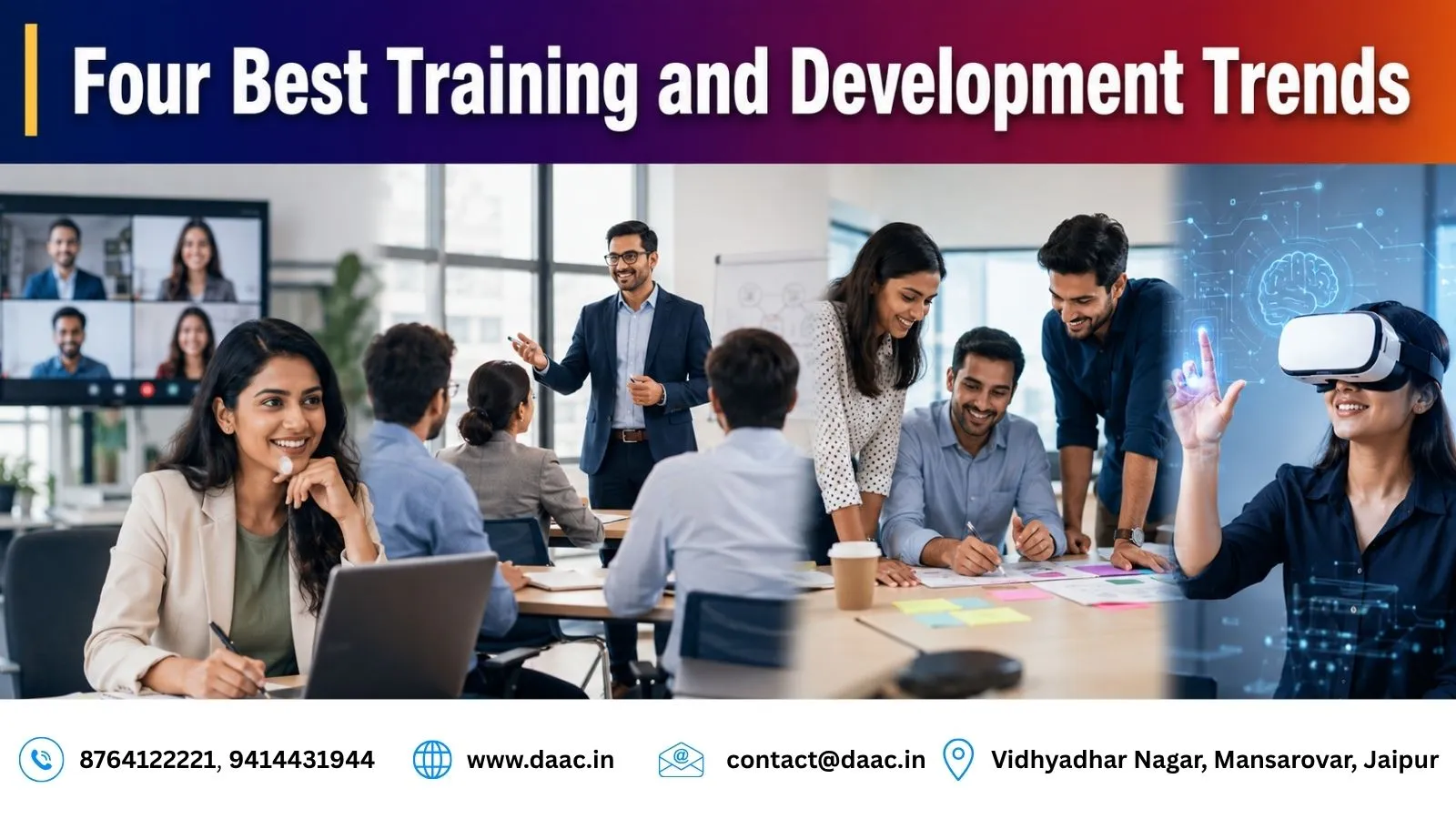
In today’s rapidly evolving digital landscape, learning methods are changing faster than ever before. Organizations, educational institutes, and professionals are constantly looking for innovative ways to improve skills and remain competitive. Understanding the latest Training and Development Trends is essential for students, job seekers, and working professionals who want to stay ahead in their careers.
Technology has transformed traditional training methods into more interactive, personalized, and effective learning experiences. Modern learners expect flexibility, practical exposure, and real-world applications. As industries continue adopting advanced technologies, training programs must evolve to meet changing workforce requirements. The following trends are playing a significant role in shaping the future of learning and professional development.
1. Artificial Intelligence (AI) is Revolutionizing Learning
Artificial Intelligence has become one of the most influential technologies in modern education and professional training. AI enables systems to analyze learner behavior, identify knowledge gaps, and provide personalized recommendations. This creates a more efficient learning experience compared to traditional one-size-fits-all training approaches.
AI-powered platforms can automate assessments, suggest customized learning paths, and provide instant feedback. Companies worldwide are using AI-driven training systems to improve employee performance and productivity. As businesses increasingly adopt automation and intelligent systems, demand for professionals with AI knowledge continues to rise significantly.
Key Areas of Artificial Intelligence
- Machine Learning
- Natural Language Processing
- Speech Recognition
- Problem Solving
- Data Analysis
- Predictive Modeling
- Computer Vision
Learning AI concepts can open opportunities across industries such as healthcare, finance, manufacturing, and technology. Students looking to build future-ready skills often explore specialized programs like a Generative AI Course in Jaipur to gain practical exposure to emerging technologies.
2. Virtual Reality Learning Creates Immersive Experiences
Virtual Reality has transformed the way people learn complex concepts and practical skills. Unlike traditional classroom methods, VR creates immersive environments where learners can interact with realistic simulations. This hands-on experience improves understanding, retention, and engagement.
Industries such as healthcare, aviation, engineering, and education are actively using Virtual Reality for training purposes. Medical students can practice surgical procedures in virtual environments, while engineers can explore equipment simulations without physical risks. This approach reduces training costs while improving learning outcomes.
Types of Virtual Reality Learning
360-Degree VR
This format allows users to view and explore content from every direction while wearing a VR headset. It creates an immersive experience that closely resembles real-world environments.
Interactive VR Simulations
Interactive simulations allow users to engage with virtual objects and environments. Learners can perform tasks, solve problems, and receive feedback in real time, making the learning process highly practical.
As technology becomes more affordable, Virtual Reality is expected to become a standard component of professional training programs and educational institutions worldwide.
3. Adaptive Learning Enhances Personalized Education
Modern learners have different skill levels, learning speeds, and educational needs. Adaptive learning addresses these differences by using technology to personalize the learning experience for each individual. This approach improves efficiency and ensures that learners focus on areas where improvement is needed most.
Adaptive learning platforms use data analytics and algorithms to track performance and adjust content accordingly. Instead of following a fixed curriculum, learners receive customized recommendations based on their progress and knowledge levels. This creates a more engaging and effective educational experience.
Benefits of Adaptive Learning
- Personalized learning paths
- Better knowledge retention
- Improved learner engagement
- Faster skill development
- Data-driven progress tracking
- Reduced learning gaps
Many educational platforms and training providers are integrating Adaptive Learning technologies to improve student success rates. This trend is expected to grow further as organizations focus on individualized skill development and continuous learning strategies.
4. Mobile Learning Continues to Expand
The widespread use of smartphones and tablets has made learning more accessible than ever before. Mobile learning allows users to access educational content anytime and anywhere, making it ideal for students and working professionals. This flexibility supports continuous learning without disrupting daily schedules.
Modern mobile learning platforms offer video lessons, interactive quizzes, digital certifications, and live sessions. Learners can complete courses at their own pace while maintaining access to updated educational resources. This convenience has contributed to the growing popularity of mobile-based training solutions worldwide.
Emerging Mobile Learning Trends
- AI-powered learning assistants
- Microlearning modules
- Cloud-based education platforms
- Interactive learning applications
- Voice-enabled learning systems
- Gamified educational experiences
- Mobile certification programs
The growth of mobile technology has also increased demand for application developers. Professionals interested in creating educational applications often pursue a Mobile App Development Course in Jaipur to develop industry-relevant skills and career opportunities.
Why These Training and Development Trends Matter
Organizations today face constant technological changes and evolving customer expectations. Employees who continuously upgrade their skills are more likely to remain competitive and adaptable. These modern learning trends help individuals acquire practical knowledge while improving productivity and professional performance.
Businesses also benefit from advanced training technologies. Personalized learning, immersive simulations, and mobile accessibility help companies reduce training costs while improving employee engagement. As industries become increasingly digital, investing in modern learning methods is essential for long-term success.
The growing demand for digital skills has encouraged many learners to explore programs such as a Data Analytics Course in Jaipur, which complements emerging technologies and prepares professionals for future career opportunities.
How to Stay Updated With Modern Learning Trends
To make the most of these advancements, learners should adopt a proactive approach toward skill development. Staying informed about industry trends and participating in relevant training programs can provide a competitive advantage in the job market.
Here are some practical ways to stay updated:
- Follow industry experts and technology blogs.
- Join professional learning communities.
- Enroll in practical certification courses.
- Attend webinars and technology events.
- Practice newly learned skills regularly.
- Explore emerging digital tools and platforms.
Continuous learning has become a necessity rather than an option. Individuals who embrace innovation and adapt to changing technologies are better positioned for career growth and professional success.
Conclusion
The future of education and professional development is being shaped by innovative technologies and learner-focused approaches. These Training and Development Trends are transforming how individuals acquire knowledge, develop skills, and prepare for future opportunities. Artificial Intelligence, Virtual Reality, Adaptive Learning, and Mobile Learning are leading this transformation and creating more effective learning experiences.
Whether you are a student, job seeker, or working professional, staying updated with these trends can help you build relevant skills and remain competitive in the evolving digital economy. Investing in modern learning solutions today can create significant career advantages in the years ahead.
FAQs
1. What are training and development trends?
Training and development trends are modern learning approaches and technologies that help individuals and organizations improve skills, knowledge, and professional performance.
2. Why is Artificial Intelligence important in training?
Artificial Intelligence personalizes learning experiences, automates assessments, identifies skill gaps, and improves overall training effectiveness.
3. How does Virtual Reality improve learning?
Virtual Reality provides immersive and practical experiences that help learners understand complex concepts and develop hands-on skills safely.
4. What is adaptive learning?
Adaptive learning is a technology-driven approach that customizes educational content according to a learner’s performance, needs, and progress.
5. Why is mobile learning becoming popular?
Mobile learning offers flexibility, convenience, and accessibility, allowing learners to study anytime and anywhere using smartphones or tablets.