Artificial Intelligence (AI) has rapidly transformed almost every digital industry, and web design is no exception. From automated layouts to intelligent user experience analysis, AI is becoming an essential part of modern web development workflows.
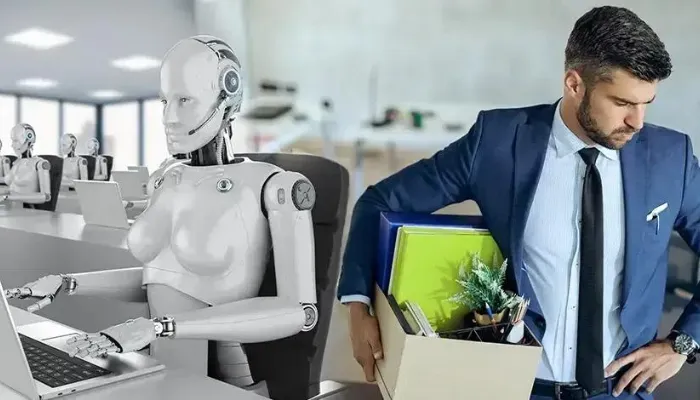
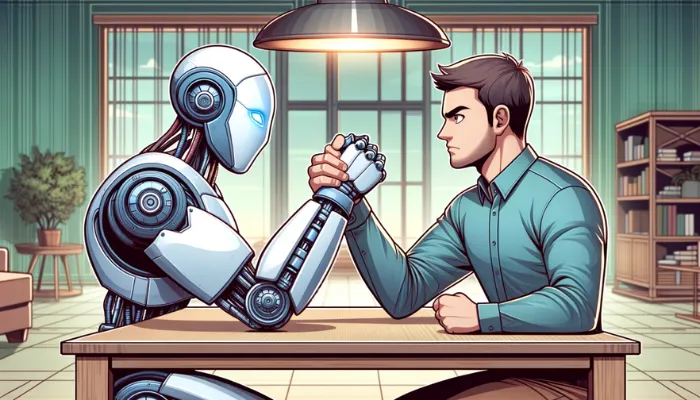
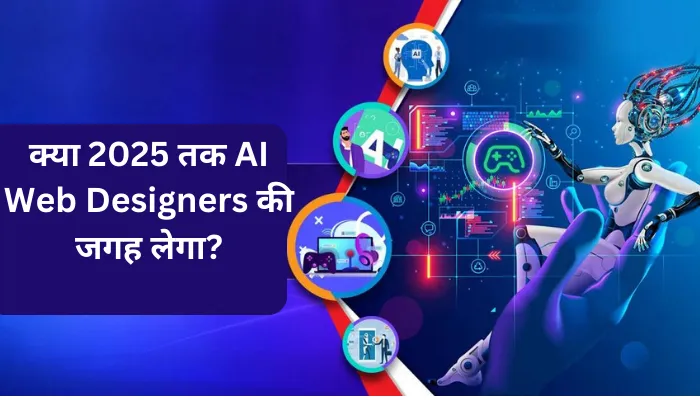
This raises an important question: will AI replace web designers by 2025, or will it simply change how they work?
While AI tools are becoming more advanced, web design is still deeply connected to creativity, human understanding, and problem-solving. This makes the future of web designers more evolving than disappearing.
How AI Is Changing the Web Design Industry
AI is already playing a major role in improving efficiency and reducing manual effort in web design processes.
Some key areas where AI is widely used include:
- Automated website layout generation
- UI/UX optimization based on user behavior
- AI-powered image and content generation
- Smart color palette suggestions
- Code assistance and debugging tools
- A/B testing for user experience improvement
These innovations allow designers to work faster and focus more on creativity instead of repetitive tasks.
AI-powered platforms like design assistants and no-code builders are also making website creation more accessible for beginners.
Can AI Replace Web Designers Completely?
The short answer is no, AI is not expected to fully replace web designers by 2025.
Although AI can automate many technical and repetitive tasks, it still lacks human creativity, emotional understanding, and contextual thinking.
Web design is not just about building layouts. It involves:
- Understanding brand identity
- Creating emotional user experiences
- Solving unique business problems
- Designing for human psychology
- Building creative and original concepts
AI can generate suggestions, but it cannot fully replace human imagination and decision-making.
Limitations of AI in Web Design
Even with advanced technology, AI has several limitations that prevent it from replacing web designers completely.
Key limitations include:
- Lack of true creativity and originality
- Limited understanding of brand storytelling
- Inability to fully grasp human emotions
- Dependence on existing data patterns
- Difficulty handling complex custom requirements
Because of these limitations, human designers are still essential for creating meaningful and impactful digital experiences.
How AI Supports Web Designers Instead of Replacing Them
Rather than replacing web designers, AI is becoming a powerful assistant.
Modern designers use AI tools to:
- Speed up design workflows
- Generate quick prototypes
- Analyze user behavior data
- Improve UI/UX decisions
- Automate repetitive tasks
- Test multiple design variations
This allows designers to focus more on strategy, creativity, and innovation instead of spending time on manual work.
AI is essentially acting as a productivity enhancer rather than a replacement.
New Skills Web Designers Need in the AI Era
As AI becomes more integrated into the industry, web designers must upgrade their skills to stay relevant.
Important skills include:
- UI/UX design principles
- AI-powered design tools
- Prompt engineering basics
- User behavior analysis
- Responsive and adaptive design
- Branding and storytelling
- Front-end development fundamentals
Designers who combine creativity with AI tool knowledge will have a strong competitive advantage in the job market.
Future Job Opportunities for Web Designers
Despite automation, the demand for skilled web designers is expected to remain strong in 2025 and beyond.
Emerging opportunities include:
- UI/UX Designer with AI tools
- Product Designer for digital platforms
- Creative Web Experience Designer
- AI-assisted Front-End Designer
- Brand Identity Designer
- No-code/low-code Web Designer
Companies are looking for professionals who can combine design thinking with AI-powered efficiency.
AI vs Human Creativity: The Key Difference
AI works on patterns and data, while human designers work on imagination and emotions.
For example:
- AI can suggest a layout
- But humans decide whether it matches brand emotion
- AI can generate templates
- But humans create unique storytelling experiences
This difference ensures that human creativity remains irreplaceable in web design.
How Web Designers Can Stay Future-Proof
To stay relevant in the AI-driven future, designers should adapt instead of resisting technology.
Best strategies include:
- Learning AI-based design tools
- Practicing real-world projects
- Understanding user psychology
- Building a strong design portfolio
- Staying updated with industry trends
Institutes like UI UX Design Course in Jaipur help students learn modern design skills along with practical exposure to industry tools and workflows.
Role of Education in the AI Design Era
Professional training plays a key role in preparing students for future challenges.
A structured learning environment helps learners:
- Understand design fundamentals
- Work on live projects
- Learn industry tools
- Develop creative thinking
- Build job-ready portfolios
Students who gain both design and technical knowledge are better prepared for AI-integrated workplaces.
Real-World Example: AI in Design Workflow
Many companies today use AI tools like Figma plugins, Adobe Sensei, and automated UX testing systems.
For example:
A designer working on an e-commerce website can use AI to:
- Analyze user click patterns
- Suggest optimal button placement
- Generate layout variations
- Test conversion rates
However, the final decision is still made by the human designer based on business goals and creativity.
Conclusion
AI is transforming web design, but it is not replacing web designers in 2025. Instead, it is reshaping their role into more strategic, creative, and technology-driven work.
The future of web design belongs to professionals who can combine creativity with AI tools effectively. While AI handles automation and data processing, human designers remain essential for innovation, storytelling, and emotional connection.
In simple terms, AI will not replace web designers—but web designers who use AI will replace those who don’t.
FAQs
1. Will AI completely replace web designers in 2025?
No, AI is not expected to fully replace web designers in 2025. It can automate repetitive tasks, but creativity, branding, and user experience design still require human involvement.
2. What parts of web design can AI replace?
AI can handle tasks like layout generation, image creation, basic coding suggestions, UX testing, and content recommendations. However, it cannot fully replace strategic and creative decision-making.
3. Will AI reduce job opportunities for web designers?
AI may reduce some basic entry-level repetitive tasks, but overall demand for skilled web designers will remain strong. New roles involving AI tools are also emerging in the industry.
4. What skills should web designers learn for the AI era?
Web designers should learn UI/UX design, AI design tools, prompt engineering basics, user behavior analysis, and modern front-end technologies to stay competitive.
5. Is web design still a good career in 2025?
Yes, web design remains a strong career choice. With businesses going digital and AI enhancing workflows, designers who adapt to new tools will have even better career opportunities.